‘We thought we’d return after two days’: Five elderly Palestinian citizens of Israel share their testimonies from 1948
By Nagham Zbeedat, reposted from Haaretz, May 19, 2026
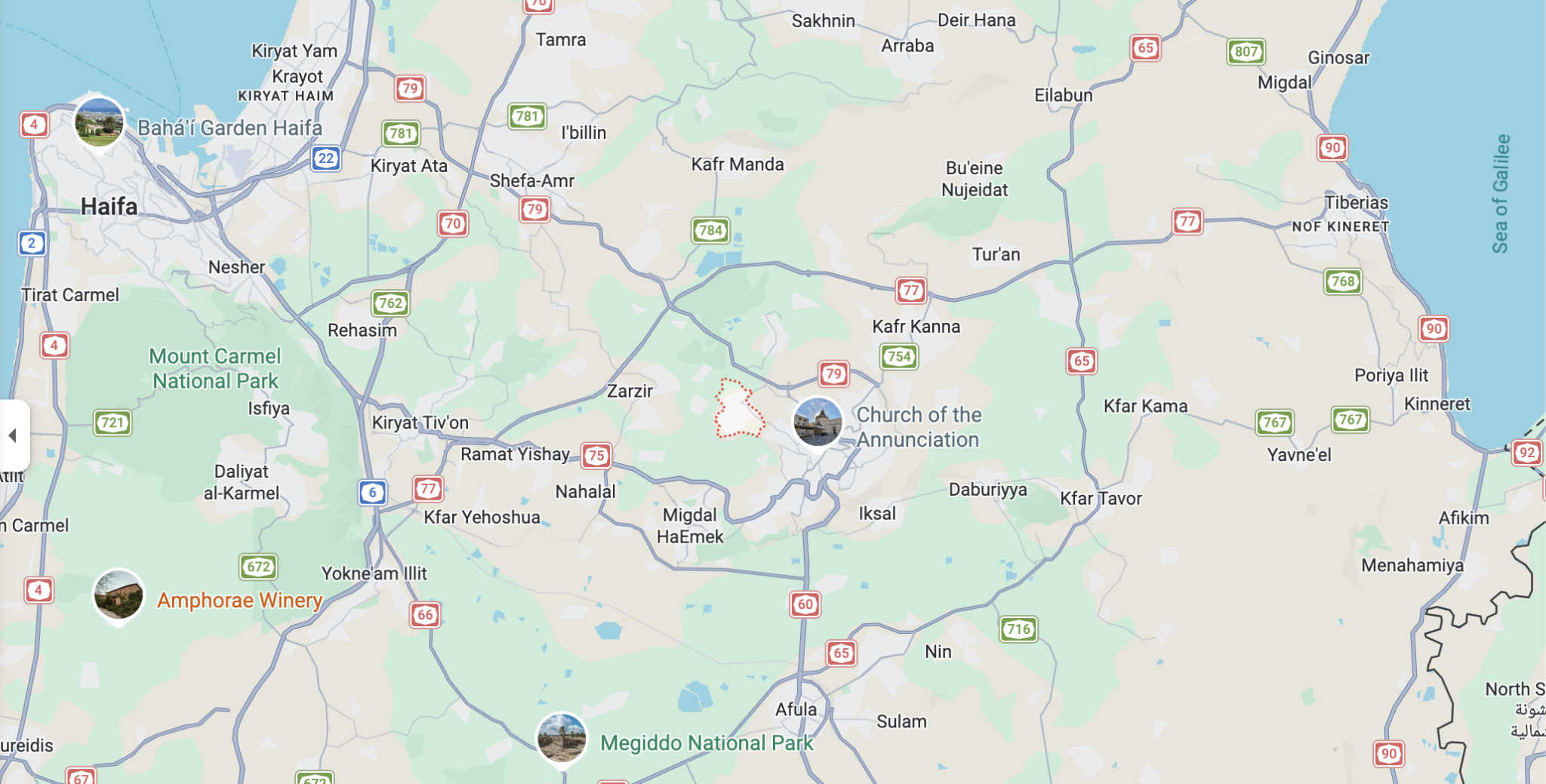
When we were children, my grandfather would sit in his wooden rocking chair and tell us stories about surviving the Nakba. He was 10 years old in 1948, growing up in Ilut, a small Palestinian village near Nazareth. Some stories he repeated often – fleeing to Nazareth, hunger, fear, sleeping away from home. Other stories came out in fragments over the years: the arrest of the men in his family, the waiting, the bodies left behind.
On July 16, 1948, soldiers from the Golani Brigade’s 13th Battalion arrested his father, his uncle and several of the young men in the family. They were later shot and left on the ground. His mother buried her husband, her brother and her sons herself, using handfuls of soil to cover their bodies so stray dogs would not eat them.
My grandfather died in 2014. He is no longer here to tell this story, but his wife – my grandmother – still is. Today, at 88 years old, she remembers fleeing Ilut on foot as a child. She remembers her father carrying the children on a donkey as they escaped toward Nazareth, because they feared “the Jews would come to kill us.” She remembers returning briefly to the village and finding her doll still there, and women digging small holes in the earth to bury bodies because there were no men left to do it.
There is an entire generation carrying memories like these, and fewer chances to document the testimonies that many survivors kept buried for decades – stories sometimes known only to their children, grandchildren or no one at all.
For Palestinians, the Nakba did not end in 1948. It continues through displacement, military occupation, siege, land confiscation, home demolitions, exile, imprisonment and killing across historic Palestine. Even as I collected testimonies for this project, Palestinians in Gaza were once again living through mass displacement, starvation and the destruction of entire communities. Many survivors interviewed for this project spoke about Gaza today as they shared their memories from 1948. Some cried recalling scenes they said resembled what they experienced as children. Again and again, the same sentence returned: “The Nakba is still ongoing.”
The preservation of memory itself, whether among Palestinians in Israel or Gaza, has become, for many, a form of resistance against erasure.
Haaretz spoke to five Palestinian citizens of Israel who survived the Nakba – now-elderly men and women who were children in 1948, but old enough to understand what was happening and to carry it for the rest of their lives. Some remember massacres, forced displacement, hunger, humiliation and exile, or villages they never saw again. Others remember details that seem small: hidden house keys, coffee carried into displacement “for the soul,” toys left behind, fig trees, wells, wedding songs, swings and the smell of home.
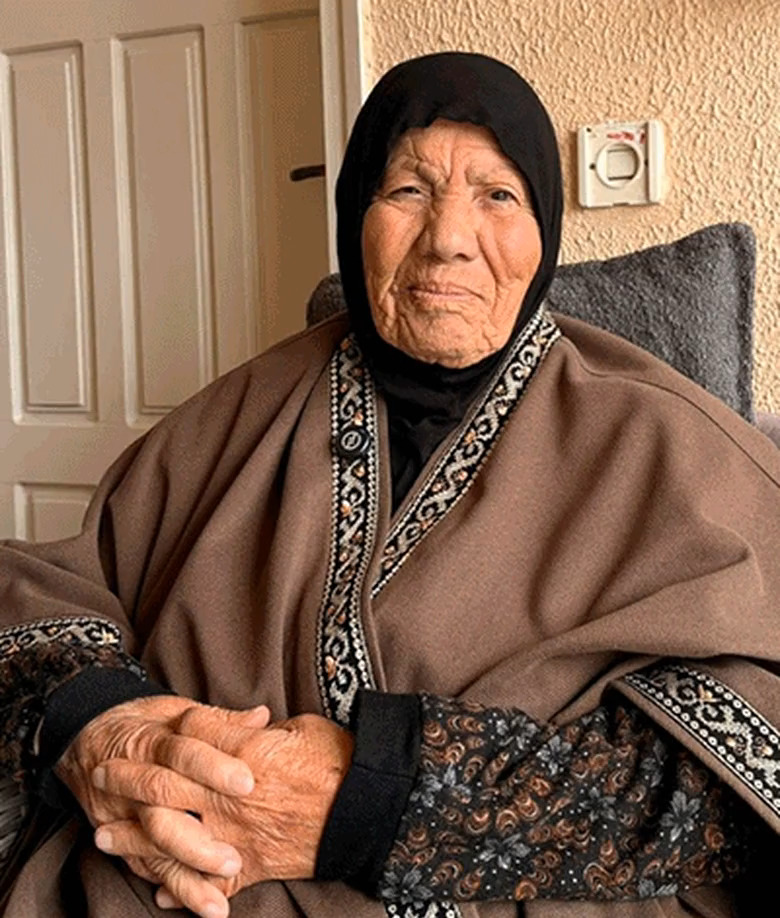
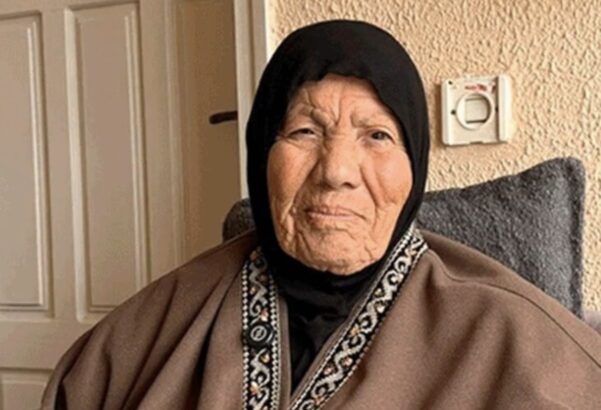
Fatima Abu Rass, age 88 From Ilut, displaced to Nazareth
I was 10 that year. Someone went around the village on a loudspeaker, saying: ‘People of the village: The Jews are coming to occupy Ilut, leave before they arrive.’ Some people left to Nazareth, and some stayed.
The people who stayed behind – from what we later heard from our mothers – were taken, lined up and shot. They were killed. Those who fled stayed in the monastery and in Nazareth until things calmed down.
When things became calmer and there was a little safety, we went back to get our clothes because we had left with nothing. I went back too, but I wasn’t really aware of things. I found my doll, and I started saying, ‘Thank God they didn’t take my toy. How beautiful, they didn’t take it.’
Some of the men that stayed behind, their families thought they had been detained. But it turned out they hadn’t been detained. After 10 or 15 days, they were found on a mountain. There were young men grazing sheep who smelled something.
When they followed the smell to see what it was, they found maybe 10 or 12 men, killed, and their bodies had begun to smell. Some people returned to Ilut and others remained in Nazareth. We were among those who stayed in Nazareth. We never returned to Ilut.
In Ilut, we had a two-bedroom house. It was built from old stone, like all the houses back then. Before the Jews came, life was beautiful, but we were children.
People loved each other more than today, much more. The people from Ilut who stayed in Nazareth were like brothers and sisters. They visited one another all the time. If anything happened to anyone, everyone came together.
Before Israel was established, before they called it the State of Israel, I never really understood or saw Jews taking land. I wasn’t aware of those things. Then we fled from Ilut to Nazareth on foot, because we were afraid the Jews would come and kill us. We walked. I remember my father had a donkey and because we children were small, each one of us took turns riding it on the way to Nazareth.
We stayed at the orphanage monastery in Nazareth. I don’t remember if it was one month, two months, three or four. But I remember they used to cook food for us and distribute it. We weren’t alone there. Almost everyone from Ilut had gone to the orphanage in Nazareth. All the families stayed there together in one large hall. They separated each family’s space with blankets. Everyone had their place.
During that whole period – while we were still not back in Ilut and were still staying in the monastery – life depended on what people had. Whoever had money could buy food and eat. Whoever had nothing struggled. But the monastery gave us milk and food. Every morning the nuns distributed milk. Different monasteries were responsible for different groups. They sent flour and whatever they could. People slowly started working again, and life started to reorganize itself. But how long it took, I don’t know.”
Lutfieyh Shala’ata, age 92 From Al-Ruwis; displaced to Sha’ab, Majd al-Krum, Nahf then Tamra
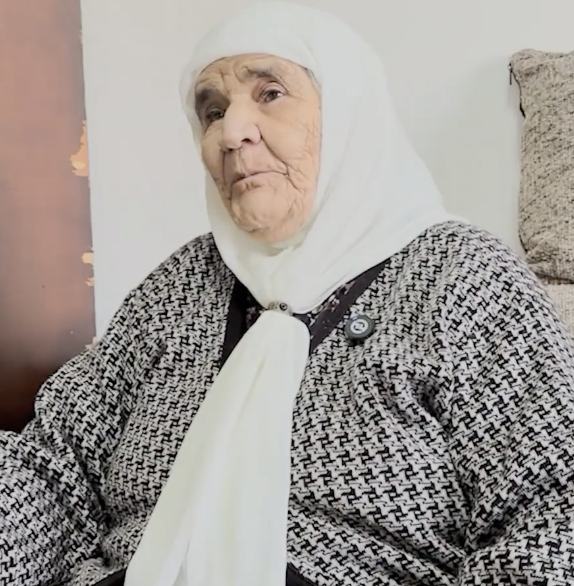
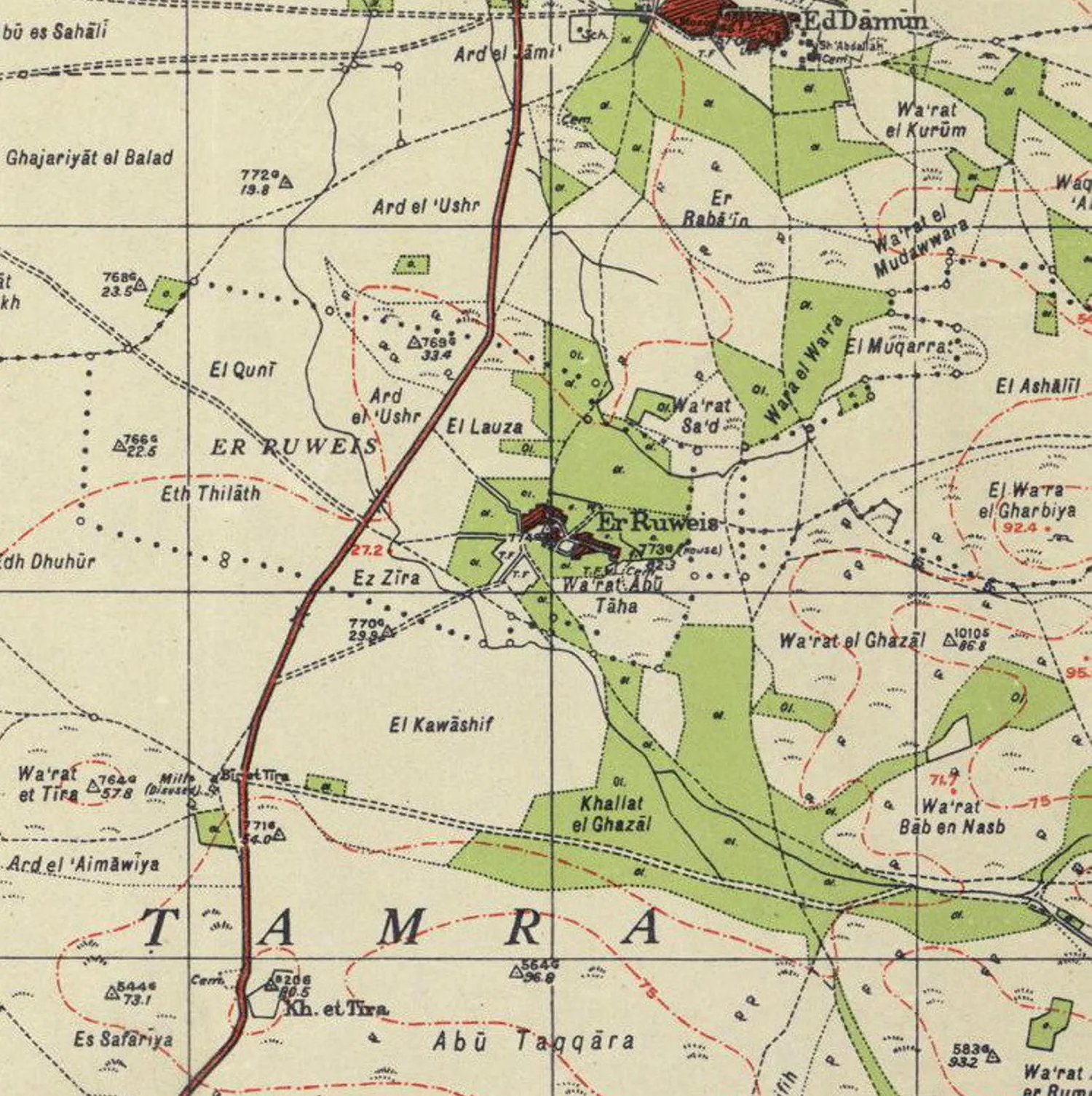
“We are from al-Ruwis. Our homes overlooked Acre and the sea. You would sit there and see Acre from the village.
[In July, ] the sons of bastards told us: ‘Leave the village for one week.’ My father locked the door and put the key under a stone. He told us: ‘Whoever comes back first will find the key here.’During Ramadan, we would hear the cannon signaling iftar time from Acre. The tables were full of grapes, figs and fruit from our land. My father would take me to gather figs while I was fasting. The fig tree stood beside our house.
I remembered Ibrahim Abu Khalil. He was an old man, he refused to leave the village, saying: ‘I am an old man. Why should I leave my village?’ They entered and shot him. At night, his children buried him between the rocks.
We loaded the horse with what we could carry – coffee-making tools, the stove, clothes. Every woman gathered her things. We first went to Sha’ab [a nearby village] and stayed there for one week, maybe two, in my mother’s relatives’ house. Then they said the Jews had occupied al-Birwa. People started saying: Whoever still has a weapon should go resist, and whoever doesn’t should flee to Lebanon.
We stayed behind wondering: Where do we go now? Then we decided to go to Majd al-Krum. We stayed there among the fig trees. My father barred us from picking any. He said: ‘These figs are not ours. None of you should touch them.’ We had nothing – no belongings, no plates. Nothing. My father said: ‘Take a jar of honey and a jar of samneh. Bread we might find there, but not these.’ But on the road, the jars broke.
My brother used to carry water jugs on his shoulder from Majd al-Krum so we could drink. Like the people of Gaza today, that was our condition – we would get a plate, maybe two of food.
A month passed, and word spread to Nahf that we were living out in the open. A relative from my mother’s side brought us to their home in Nahf. We stayed there through winter in a large house, together with another displaced family from al-Hadatha [another depopulated village, near Tiberias.]
During our stay in Nahf, they announced that Majd al-Krum had also fallen. They told everyone in Nahf to gather in the mosque. We all went there – women, children, everyone. We stayed there for hours. We nearly died from thirst and hunger. After three hours, they ordered us out of the mosque. I saw them as they selected 10 men and lined them up. They shot them all at once.
These were respected men in Nahf – they worked as officers and policemen in Acre and Haifa. They banned people from approaching them, and buried their bodies in a pit.
A year has passed by, and the now Israeli state started distributing identity cards in Tamra.”
Tamra, a village in the Galilee, is 1.2 km (0.7 miles) away from Nahf. During this period, Palestinians were under Israeli military rule, so any movement between villages required permissions that were rarely given.
“We crossed the northern mountains at night. My brother carried one child on his waist and another on his side while we walked. We hid during daylight, because we were afraid someone would see us. At seven or eight in the morning, we arrived to Tamra.
They welcomed us there. They gave us breakfast and let us wash, because we had walked all night. We stayed there for around a year in an old hay storage room beside the old mosque. Mattresses were laid side-by-side. Later, they gave us a tent.
People in Tamra sometimes insulted us because we were refugees. They would say: ‘You look like a refugee,’ and tell their children: ‘Don’t play with the refugee children.’ That wounds the heart. Before the Nakba, life was happiness. It was dignified.
A year after the Nakba, I went with my friend to see our village. We hoped to find any remains, but it had been completely demolished. They left nothing behind. When the Jews came, they said: ‘We came to Israel and found nothing here but wild thyme. No people.’ But I still remember my village.
Three years ago, I returned to al-Ruwis. I stood there describing everything – the mosque, the road, our house. I even recognized the iron rod near the mosque. I remembered every house. But there was nothing left.
We left thinking we would return after two days. No one imagined this exile would last.
In my dreams, I still see myself picking mint, picking parsley and winter figs. I’m still gathering figs in my dreams. I wish I could go there for two days, sleep there and die. I wish.”
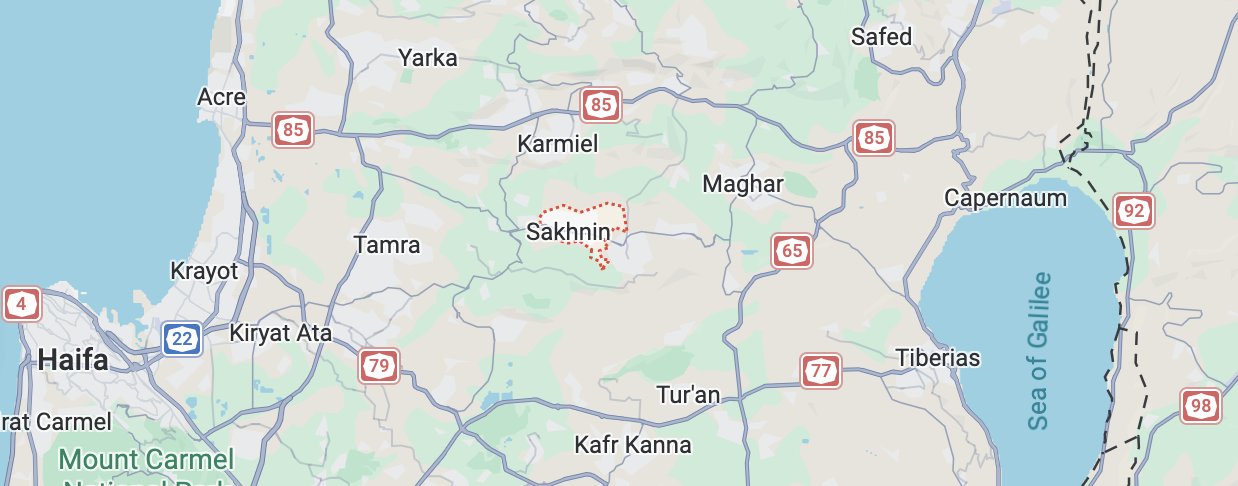
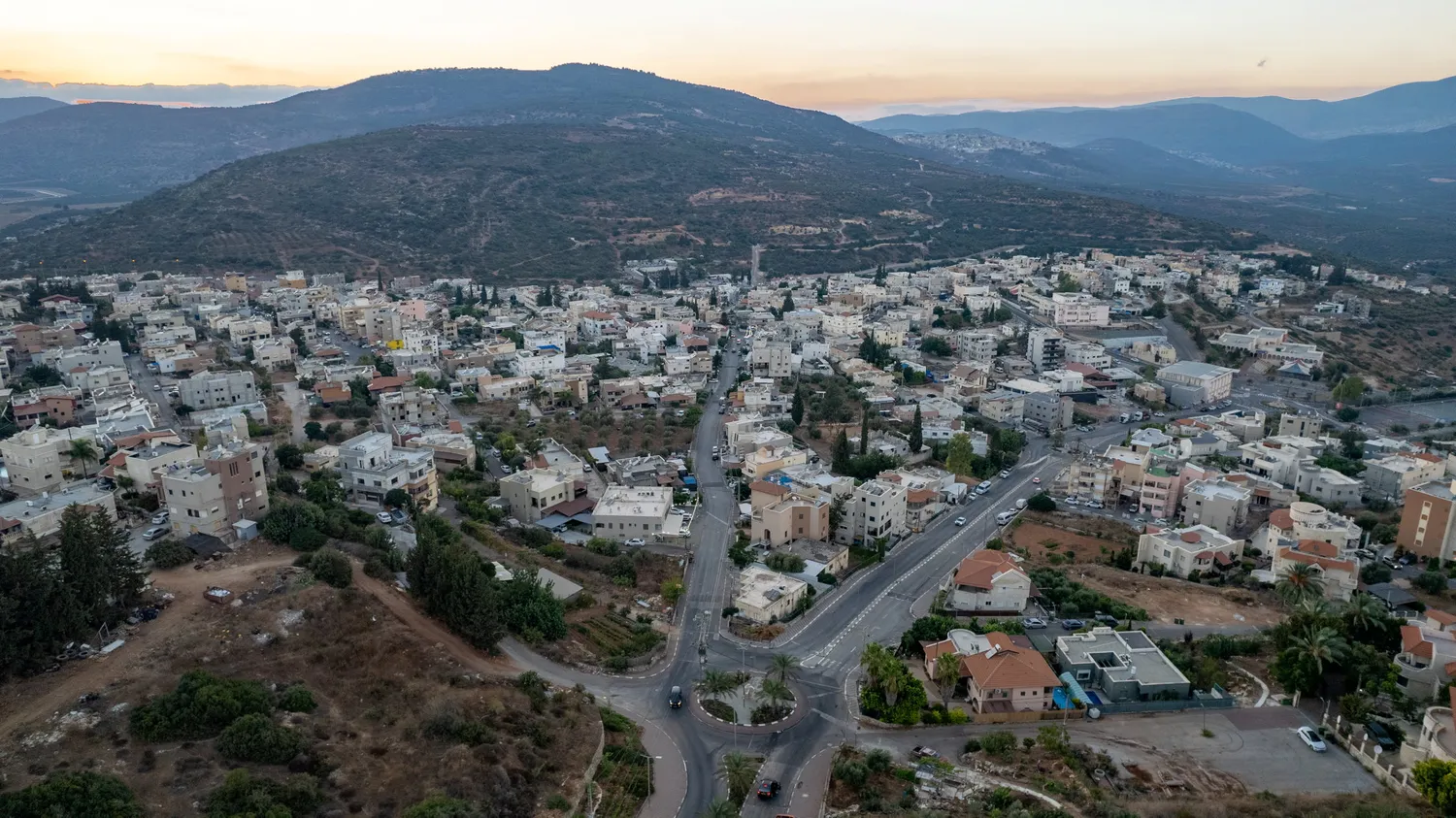
Rasmiyeh Abu Raya, from Sakhnin; survived by hiding
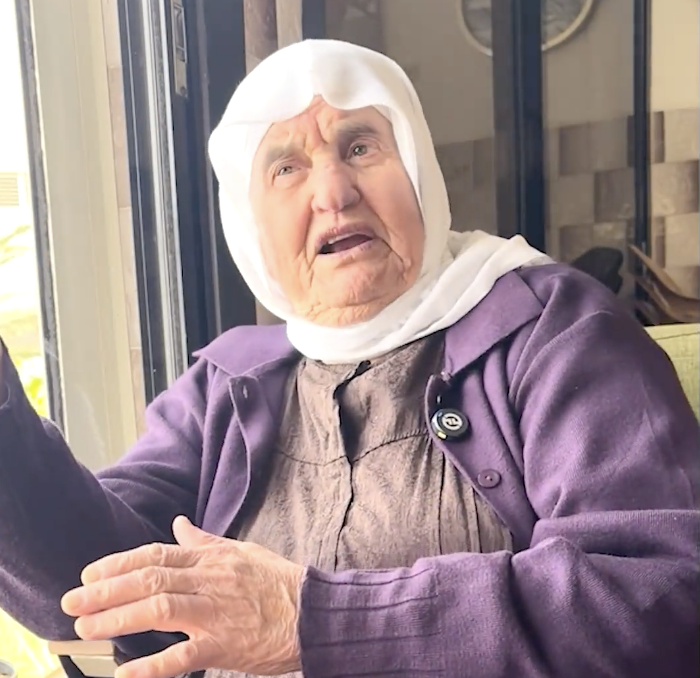
“I was 8-years-old. I remember when the people first fled. There was this old mosque, not the mosque standing now. It was just a room. The first time the airplane struck, a corner of the mosque collapsed. When people saw that, they lost their minds.
Everyone started carrying things and fleeing to the hills. We were among those who went to the hills, to the area called al-Mall. The first day, the second day – we stayed there three nights. Three nights in the open land, under the hill.
My father, who remained in Sakhnin, told us that Mia’ar, a nearby village, was defeated badly. Half of them ended up in Sakhnin, Arraba, Deir Hanna, Kabul. The Jews had scattered Mia’ar among the villages. If there had been no one left in Sakhnin and they had not surrendered, Sakhnin would have been occupied.
Awad Hassan Hamza, a young man, brought a white keffiyeh and tied it to an olive branch. He carried it and went westward. There is a place they call Bir Abu Killel here in the village – and as they reached Bir Abu Killel, the tanks were already approaching, coming to occupy Sakhnin, Arraba, Deir Hanna. When they saw the white flag, they signaled to the tanks behind them to stop.
‘We have surrendered, we are surrendering. We don’t want to fight,’ they told the army.
Then, the people who had fled the village returned. It was a catastrophe. My uncle Naji Abu Rayan was killed. Our people have been oppressed since we were created. We remained oppressed and we still are.
I still remember when the Israelis came to open the canal. I was standing with my father when the landowner, Mahmoud al-Dhib Abu Younes, confronted the bulldozer. But they filled the scoop and threw it on him. I started screaming and pulling my father, ‘Father, father, they’re going to bury you alive!’ They were digging through his land; they occupied lands of many people starting from Eilabun until they reached the Bedouins.
They dumped the dirt on him and buried him alive. People rushed in, but they threatened them: ‘Step aside, or this is what we’ll do to all of you here,’ and the people sat in silence as they continued their work.”
Jouseph Mouallem, age 85 From Eilabun to Lebanon and back
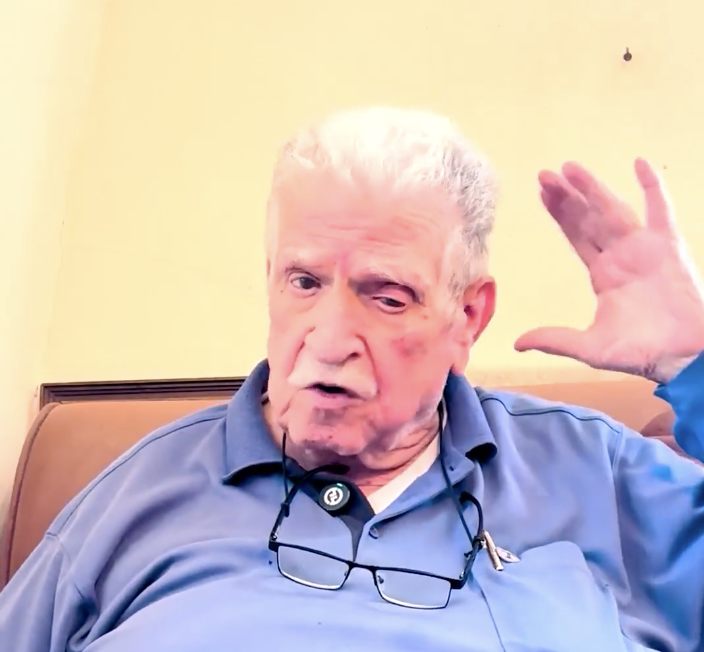
“I was born on October 24, 1941. My father, Marcus Mouallem, was the priest of Deir Hanna before moving back to Eilabun. Life was simple then. Children played, people lived simply.
In 1948, I was around seven years old, but old enough to understand and remember. At that age, memory stays clear.
Before the occupation, there were constant clashes between the Haganah forces stationed near Tur’an and the Arab Liberation Army stationed around Eilabun. Shells would fall on the village often. People hid inside stone-arched houses, because wooden homes collapsed easily when shelled.
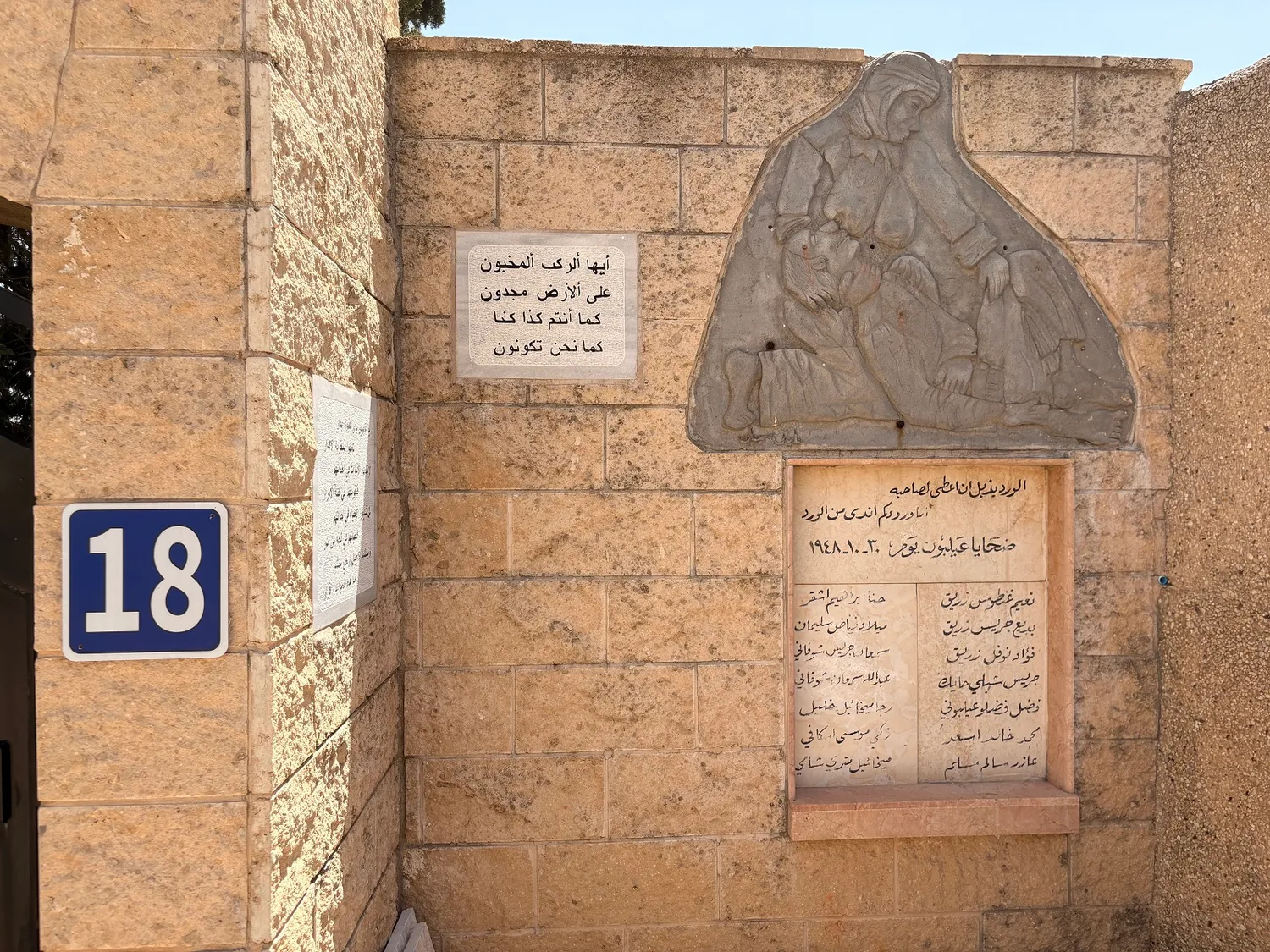
On the day Eilabun was occupied, most people gathered near the churches. I remember sleeping on the floor while shelling continued through the night. Toward morning, the army entered the village square. My father entered the square carrying a white flag and met the commander there. He told him: ‘I surrender my village to the honor of the State of Israel.’
Then everyone was ordered out into the square. Machine guns surrounded the village from every direction. I still remember walking through the church gate and seeing a man lying dead beside it. His name was Azar.
Then they started selecting young men from the village, people believed they were being taken for questioning. Afterward everyone else – old people, women, children – was ordered to walk toward Maghar. They made the children walk in front of the tanks and military vehicles.
Later, we were told that they took groups of young men, told them to ‘catch up with the others,’ and then shot them from behind so it would appear they had tried to escape. Some villagers later returned secretly and guarded the bodies overnight because they feared animals would eat them. The army wanted to capture them, but it was my father who stopped them and told them that the men should bury those who were killed.
They were all buried in one grave.
I walked barefoot from Eilabun to Ain Ebel; we kept walking for two days until we reached Lebanon. We had no food and no water. We slept under olive trees and used stones as pillows. I remember my mother wrapping me inside her cloak beside a tree while shooting continued around us. She kept saying: ‘If a bullet reaches this tree, let it hit me and not you.’ That sentence never leaves me.
Some women had abandoned their children on the road because they couldn’t protect them any longer. Eventually, we reached Lebanon. Some families ended up in Mieh Mieh refugee camp, others in Beirut or different villages. My brother was a manager of a bank in Haifa, and at the time, he was on vacation in Beirut, so we stayed with him.
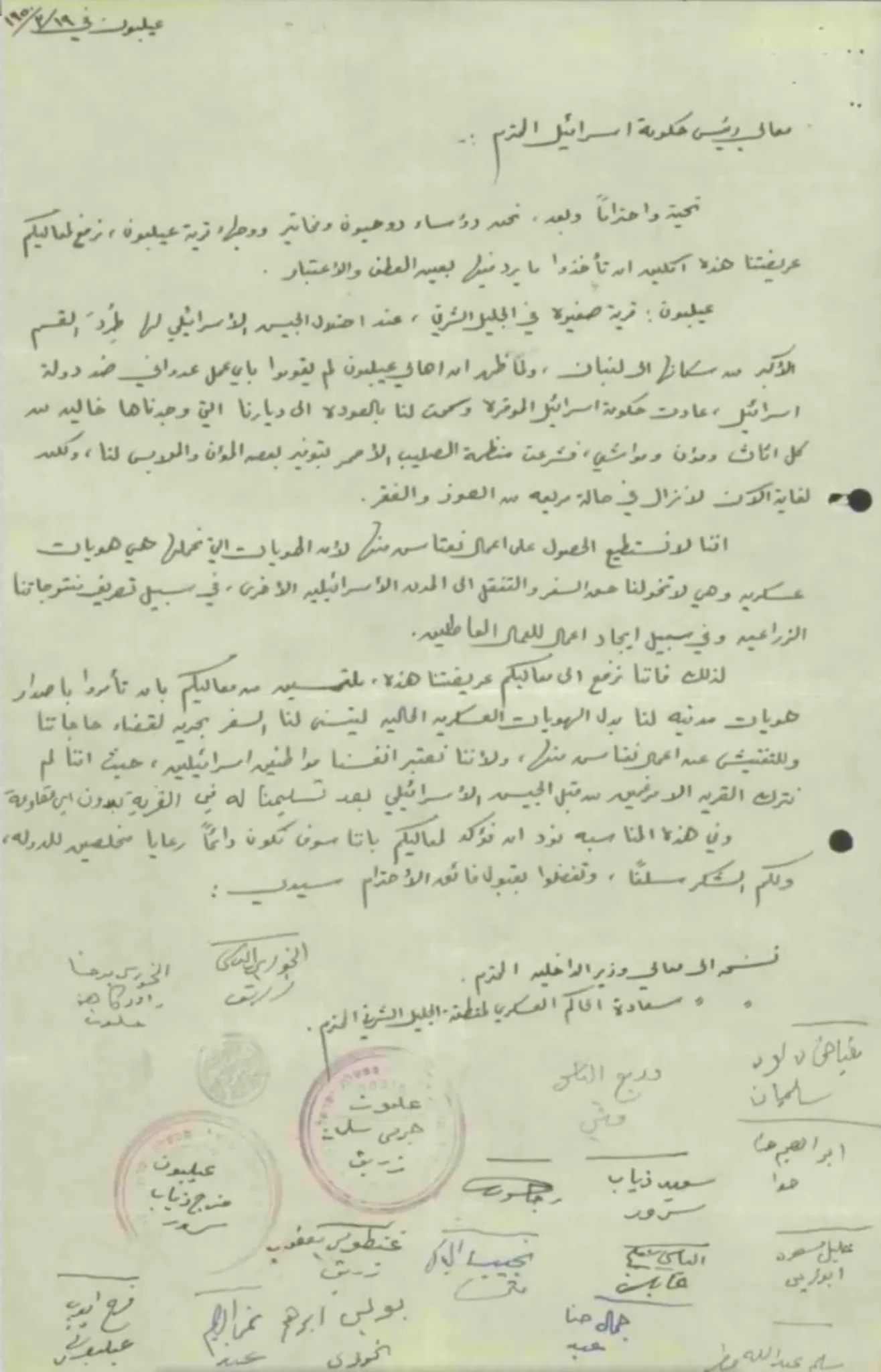
A few days later, my father managed to send a letter to my brother, Abdullah, who volunteered with the Red Cross. The letter described what happened in Eilabun after the occupation. Abdullah took the letter to church officials and later to the Lebanese delegation to the United Nations. The Israeli representative dismissed the testimony as fabricated, but international delegates later came to Eilabun to investigate.
My father accompanied them through the village. They saw the graves and what had happened there. Afterward, discussions began about allowing the people of Eilabun to return. Eventually word spread among the refugees in Lebanon: ‘The people of Eilabun are returning.’
When we came back, the village had been completely looted. Nothing remained. Even the windows and doors were gone.
The Red Cross later helped people rebuild parts of their lives. But life after return was still extremely difficult. Military rule controlled movement and work permits. Even traveling required permission.
People ask today why villagers did not resist. What could they resist with? The Arab Liberation Army that people believed would protect them withdrew. The villagers had almost no weapons.
I remember my father’s letter to the Red Cross clearly. He wrote in a letter: ‘Better to lose money than your children, children rather than your honor, and your honor rather than your faith. And we in Eilabun became without money, without children, without honor, and to some extent, without faith.'”
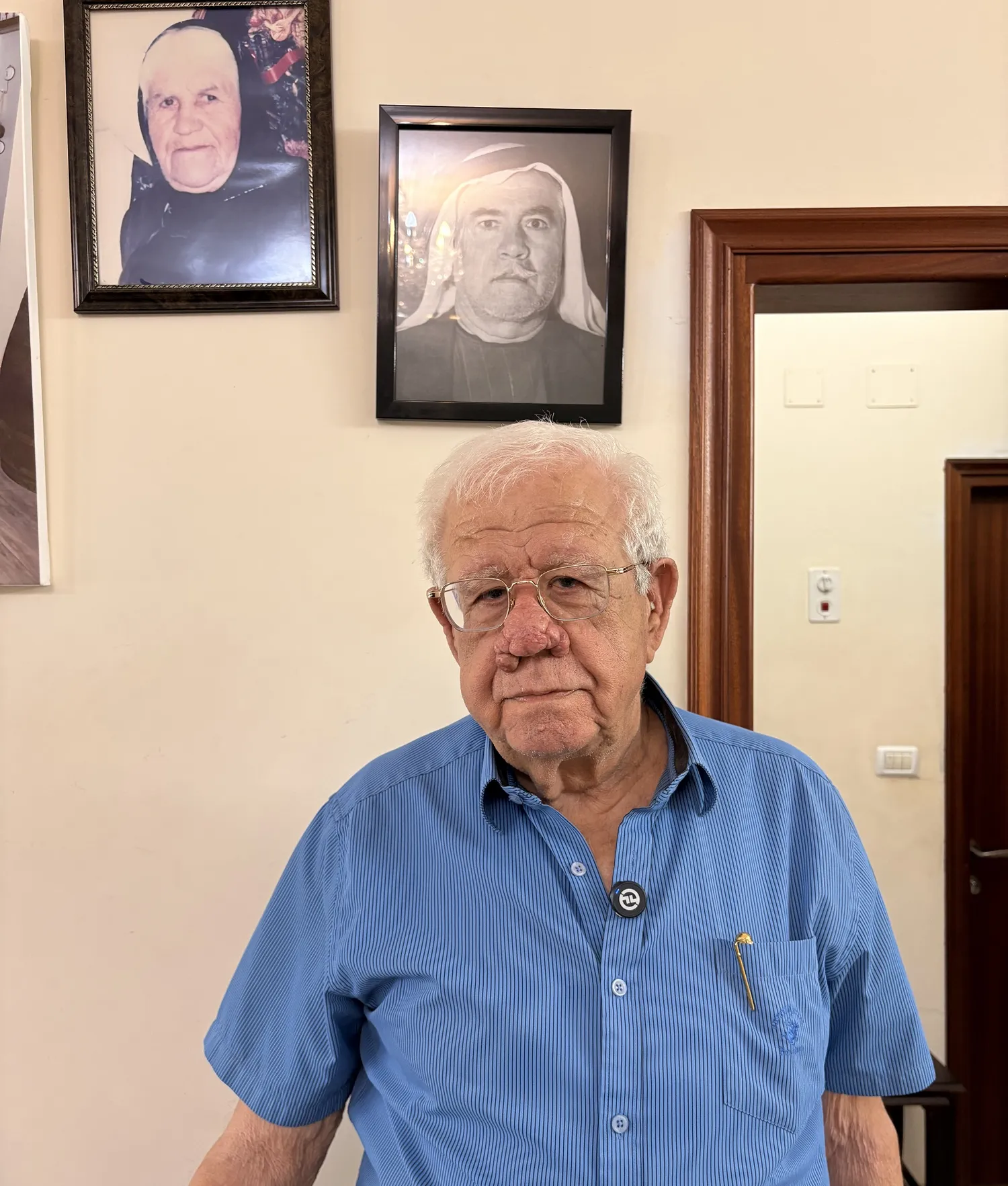
Dahoud Eilabuni, age 88 From Eilabun; Displaced to Meih Meih refugee camp in Lebanon
I was 10 years old minus two months at the time. Some things a person cannot speak about or remember, because there’s pain in the heart that cannot bear remembering those days.
During the fighting around Eilabun, residents were forced to prepare and deliver food to the Arab Liberation Army positions outside the village. The day Eilabun came under attack, it was Dahoud Eilabuni’s family’s turn.
They loaded the donkeys with food and sent me toward where the army was stationed. On the way, the shelling of Eilabun began. I started crying from fear. They told me not to worry and sent a soldier to walk with me. But as we reached the edge of the village, shells started landing near us one after another.
I froze and cried. The soldier told me: ‘Keep walking.’ I said: ‘How can you leave me? I’ll die.’ Then he slapped me. I can still feel that slap today.
Imagine a 9-year-old child walking alone into the middle of a battle while shells fall around him. I got so scared that I turned the food off the donkey into the road and ran home. Around 10 at night, they announced that the Arab Liberation Army was retreating and withdrawing north toward Maghar and Safed.
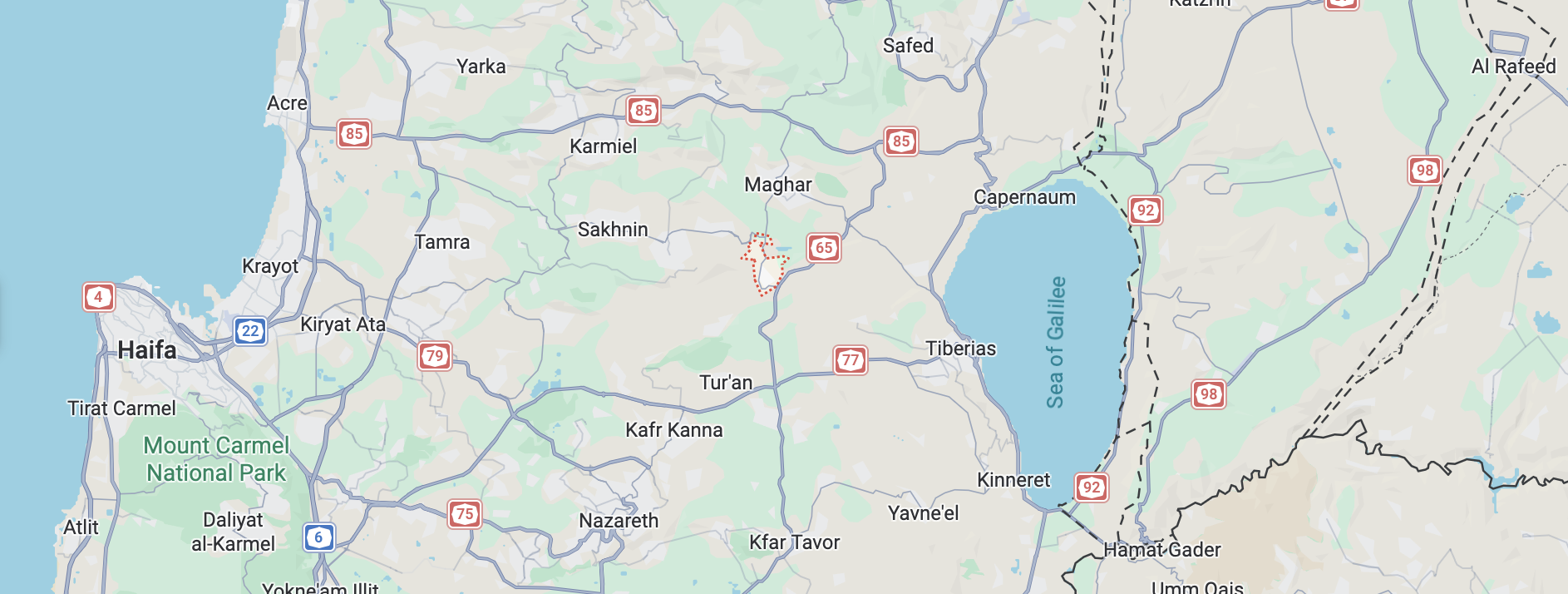
Later, they announced that the Israelis had entered the church. We were children, so we went there and slept until dawn. Around five in the morning, the Israelis entered Eilabun and occupied the village.
They marched us from the church toward the neighborhood. On the way, near the gate leading to the priest’s house, a man from Eilabun named Azar was lying there dead. He was a poor man who worked in the village. I still remember it as if it’s now. I was a child and didn’t want to step over him. His last breath was still trembling inside him.
I jumped over his body and sat beside my mother, father and sisters.
They gathered all of us there while soldiers surrounded us. Then they started pointing at people: ‘You, stand up. You, stand up.’ They selected 14 young men and lined them up in front of us. After that, they told us: ‘Go to Abdullah in Jordan and eat bread, rice and meat there.’ But nobody could respond. We had been awake since dawn. No one imagined they were about to expel us from our homes and village. When we passed by our house, they wouldn’t even let us open the door or take anything. Nothing.
We left toward Lebanon. The beatings, the hunger … we walked until we reached a huge tree near Kafr Anan and sat there. No breakfast, no water, nothing. Children, women, everyone was exhausted. On our way to Lebanon, they stopped us near Farradiyya [today, Kibbutz Parod is built on the ruins of the village]. Soldiers stopped us and made us sit by a mosque. They lined up the men – about 40 of them in a single row – and told us: ‘Either you give us 100 Palestinian pounds, or we kill them.’
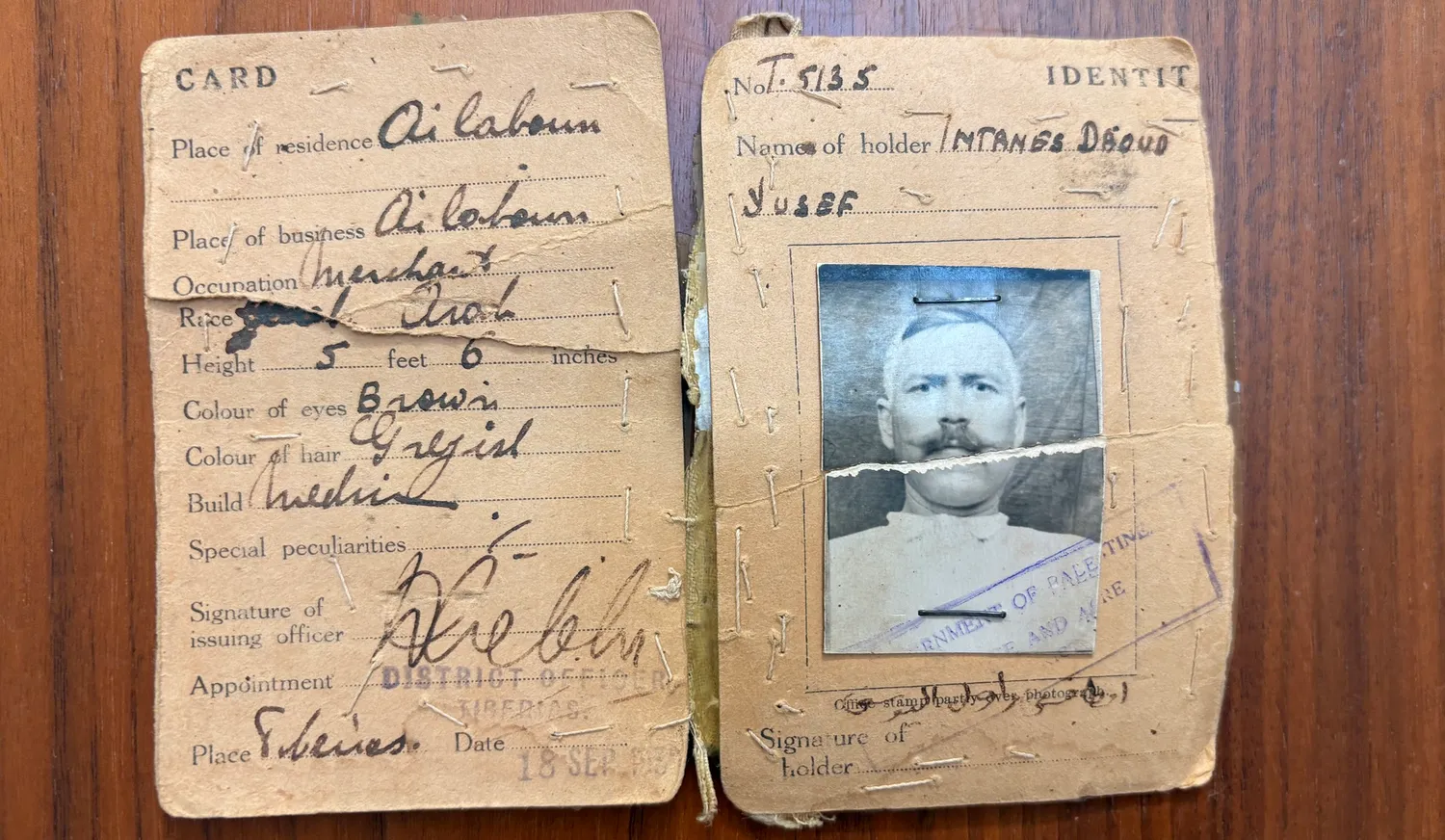
They used to search us thoroughly; whoever had money, they would steal it. If a woman was wearing earrings, they would feel her ears and take them from her. They found my father’s identity card, tore it up, and threw it away. While the soldier wasn’t paying attention, I reached out my hand, put it in my pocket and hid it. I have kept it until now.
A man named Ibrahim al-Hawwa pulled out the money the soldiers asked for and said: ‘I don’t have children, but today all these men are my children.’ He saved 39 men from getting killed.
After a while, they brought boiled potatoes and told people to come eat. There were no plates, nothing. People rushed toward the food.
Then suddenly they opened fire on us from above, from Maghar.
You should have seen the old men and women crawling through the olive trees. I saw old women being dragged across the ground. An old man from Eilabun, Sam’an al-Shafana, was shot in front of me.
People started screaming: ‘I want to die, I want to die.’ One woman threw her little daughter aside trying to save her; 30 people from the village were killed there. The pain lingers.
I was a child and lost my mother, father and sisters in the chaos. I remember my sister Hayat; she was seven months pregnant.
That night we slept among the olive trees in freezing cold weather. We had nothing to warm us. My father removed the keffiyeh from his head and covered our trembling bodies with it. I still remember it clearly.
The next night, they brought a vehicle and took us toward the Lebanese border. They threw us there around 10 at night and said: ‘From here, keep walking downward.’ It was all forest. We didn’t know the roads. As we walked, they fired shots beside us. By morning we were dying of thirst. No food, nothing. We found a filthy pool that animals drank from – cows, goats – and we drank from it too.
In Lebanon, we reached Rmeish and asked if people from Eilabun had arrived. They said yes. Then they took us to the church in Ain Ebel. People were everywhere, inside and outside the church.
When we left Eilabun, my mother carried the house key with her. In those days the keys were huge iron keys. She carried it because we still believed we would return and open the house again.
One day in the churchyard, the heavy key hit her while she walked through dry grass, so she threw it away. She lost hope that we would return. I cried until some people found the key and gave it to me. The entire time we lived in the camps and under the tents, the key stayed with me.
Two or three days later, they loaded hundreds of us onto buses. Some carried the wounded to hospitals in Beirut; the rest of us were taken to Mieh Mieh camp. After some days, they built tents for us. Four or five families slept in a single tent – men, women and children together. We suffered terribly there. You couldn’t wash properly. You couldn’t clean anything. Lice covered our bodies and even the ropes of the tents. Every week, we lined up while a Kurdish man named Abu Ma’arouf sprayed our heads and shoulders with DDT.
Near the camp, there was a vegetable shop. Young men sat there peeling oranges and throwing away the peels. My sister and I would wait for them to leave so we could take the peels and eat what remained inside them. One day the shop owner saw us and thought we wanted to steal. He beat us badly. We went back crying, but we still returned afterward, waiting for the men to leave so we could eat the orange peels.
One night, everyone in the camp got sick from food they gave us – beans and rotten water. The smell and the sight never leave your mind. A whole village sitting together in misery.
I hate remembering those days. They are painful. But we must document them and preserve them.
Later, a delegation from the French Hospital and the League of Nations came. They photographed the wounded and the dead. I later heard they held a meeting and decided that the people of Eilabun should return from Lebanon.
I remember returning at night with people from Eilabun. Others from Sakhnin and Deir Hanna tried to return too, pretending to be from Eilabun after hearing we were allowed back. As we crossed the land near Deir Hanna, I saw calves grazing and shouted: ‘That’s our cow and our donkey!’ I started crying. The shepherd slapped me and said they were no longer ours. I lived my whole life with them, of course I’d recognize them.
When we returned to Eilabun, we found nothing. Everything had been looted. No cow, no donkey, nothing. I still carried the key with me, thinking I would open the door and enter our house. But there was no house anymore. Nothing. Everything was stolen.
I found a paper hanging inside the stable where our donkey and cow used to sleep. It was written in English. I kept it even though I couldn’t read English then. It turned out it was my English birth certificate, and I still have it to this day.”
Nagham Zbeedat covers Palestinian affairs and the Arab world.
RELATED:
- Why we can’t forget the Nakba
- What Fuels My Revolutionary Optimism This Nakba Day
- As genocide continues in Gaza, the West Bank is pushed into a new Nakba
- Nakba of the Children: How Israel is Targeting the Palestinian Future
- Guerillas in grey suits: K2, auditing firm tied to Israel and US, surveils Arab central banks