‘The feeling is that the IDF has become like an army of Vikings – they let soldiers loot so they’ll be happy and keep fighting,’ one soldier says. Five told Haaretz about the horrors and disillusionment
By Tom Levinson, reposted from Haaretz via Archive, May 20, 2026
Nadav saw soldiers entering homes and looting everything they could get their hands on. Itai froze during a clash. Elad was disgusted by the destruction of villages and swore he would never go back. Tomer asked his friends to make sure that no officer spoke at his funeral. Or stopped carrying a handgun because he feared he would harm himself.
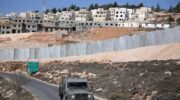
These are five soldiers from different backgrounds, some of them reservists. They serve in the infantry and in the Armored Corps. Some are fathers; others have just finished high school. Some were in Bint Jbeil just over the border, others reached the Litani River around 30 kilometers (19 miles) deep into Lebanon.
But all feel that the cease-fire that was declared last month is a fiction, and that Israel’s emerging security zone in southern Lebanon is a scar etched into their bodies. Below, the soldiers tell about their experience in Israel’s latest round of fighting with Hezbollah.
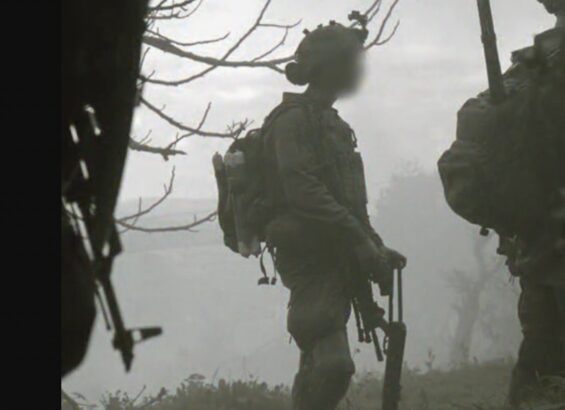
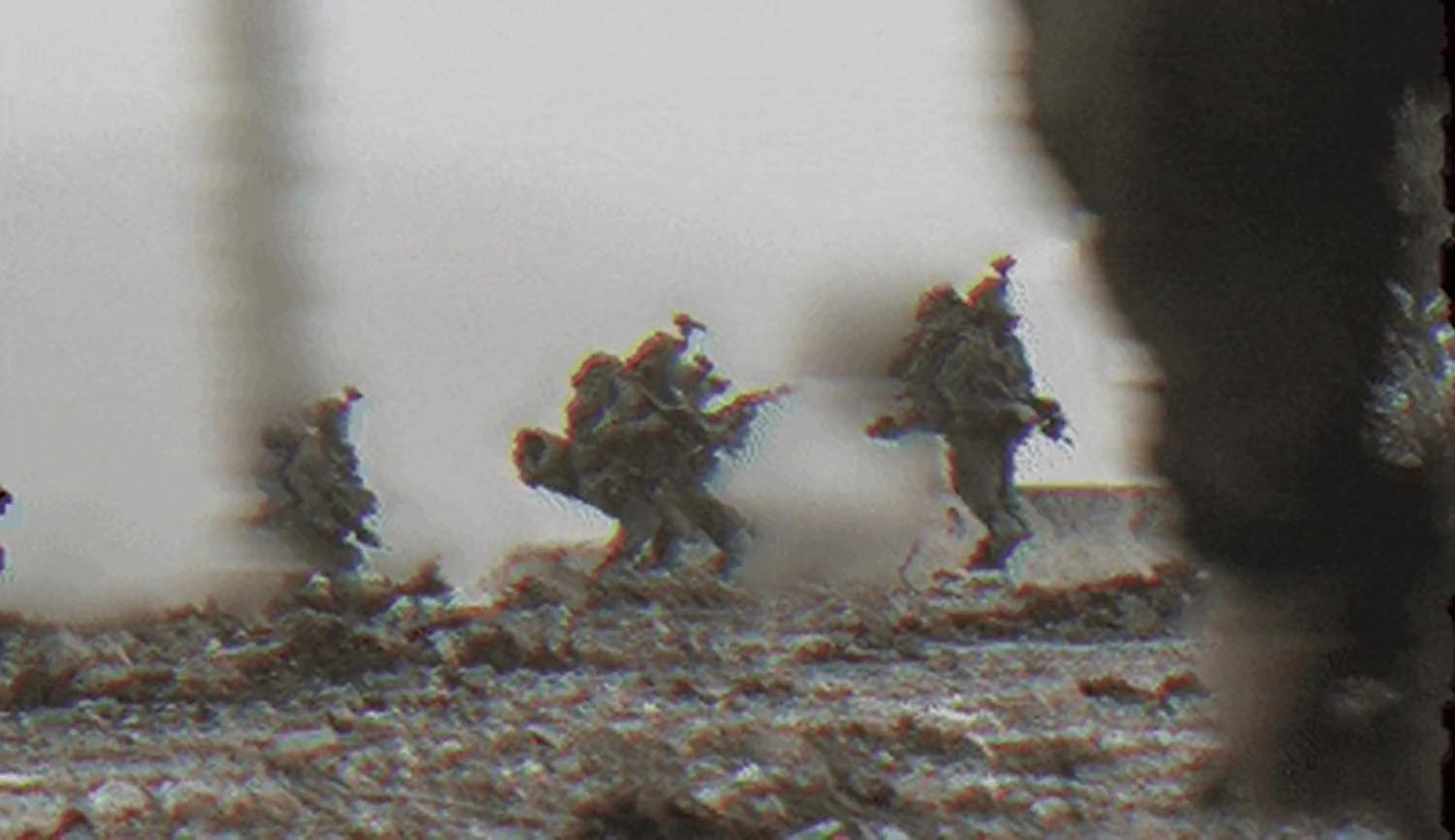
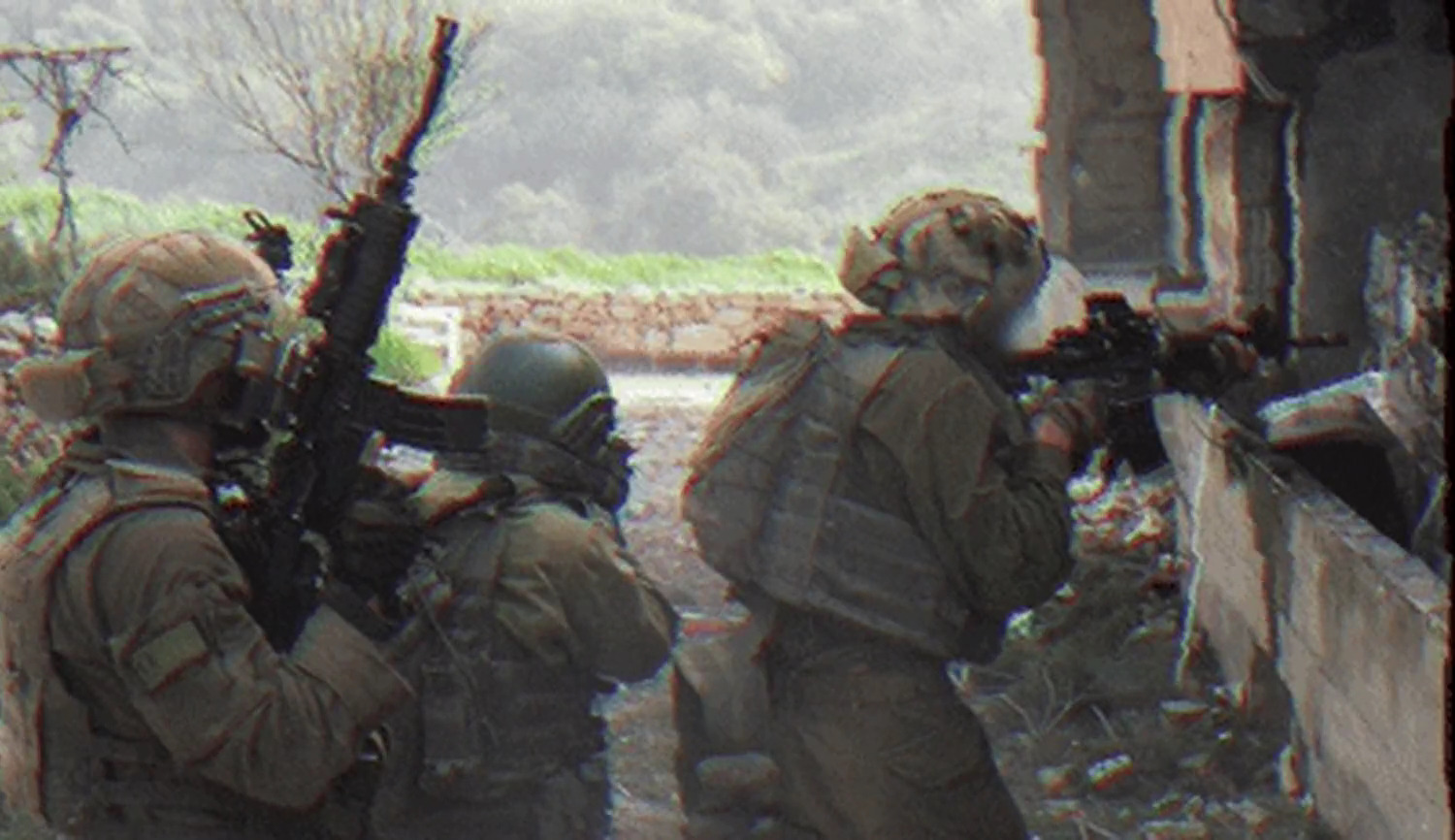
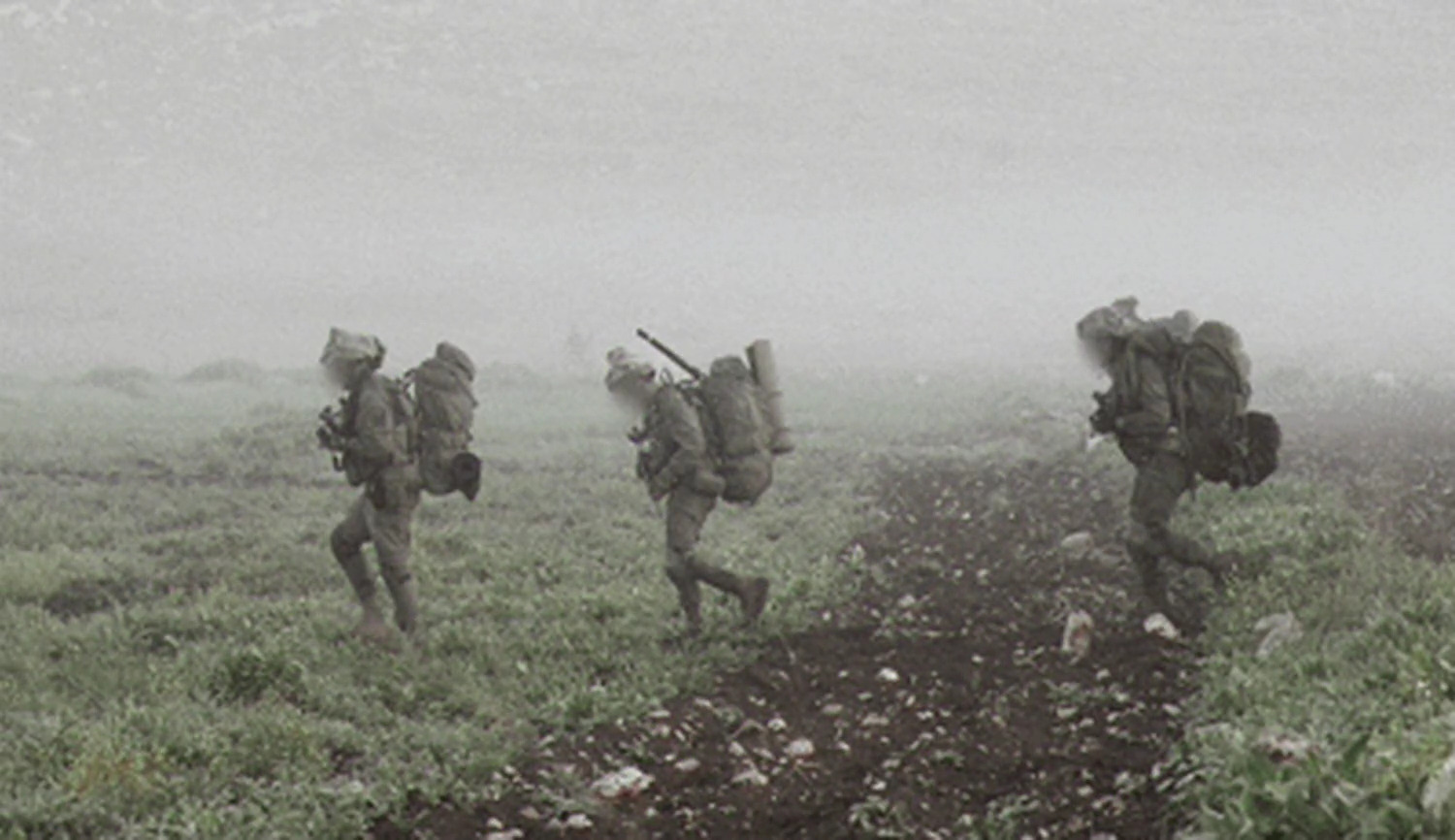
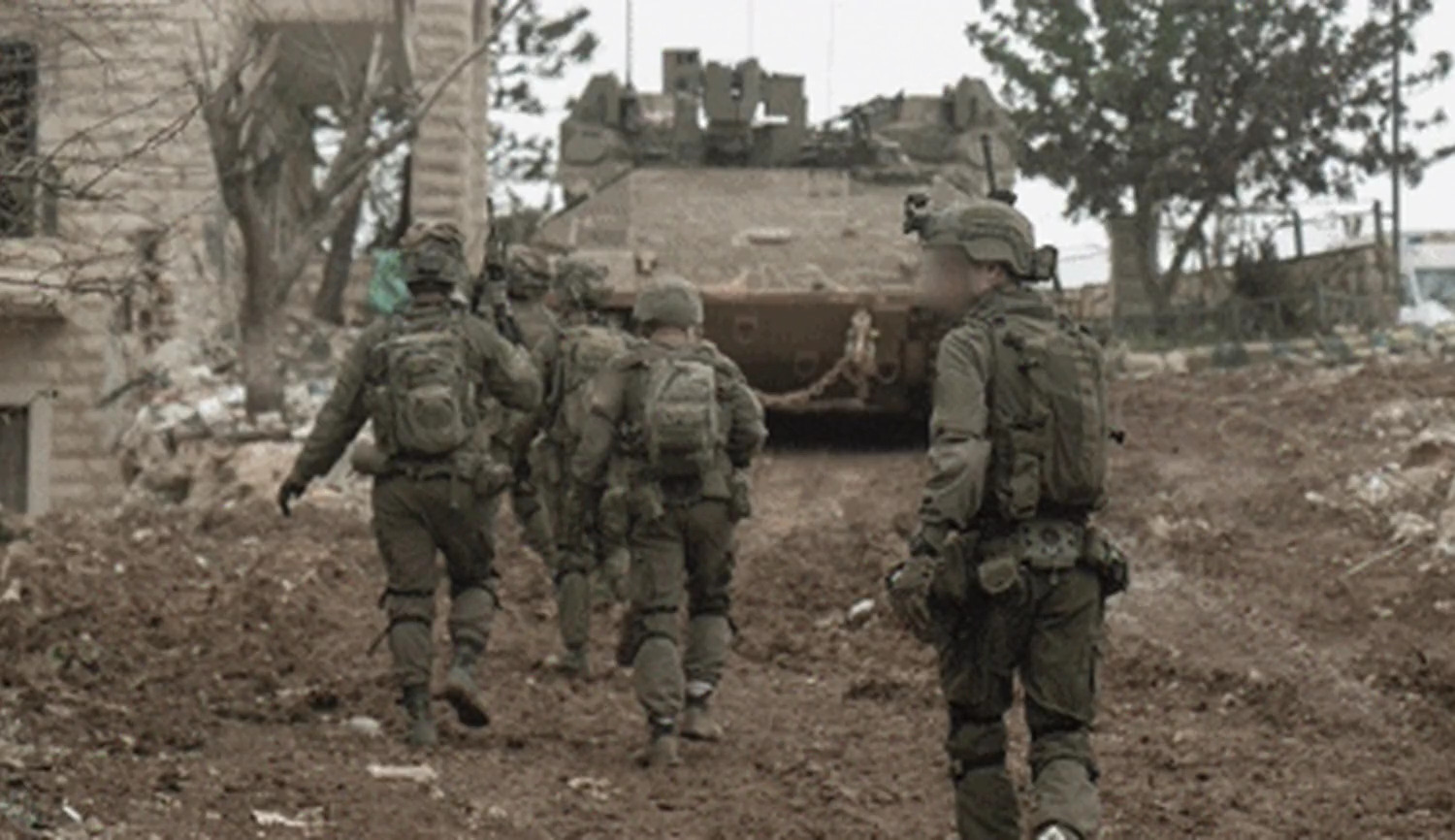
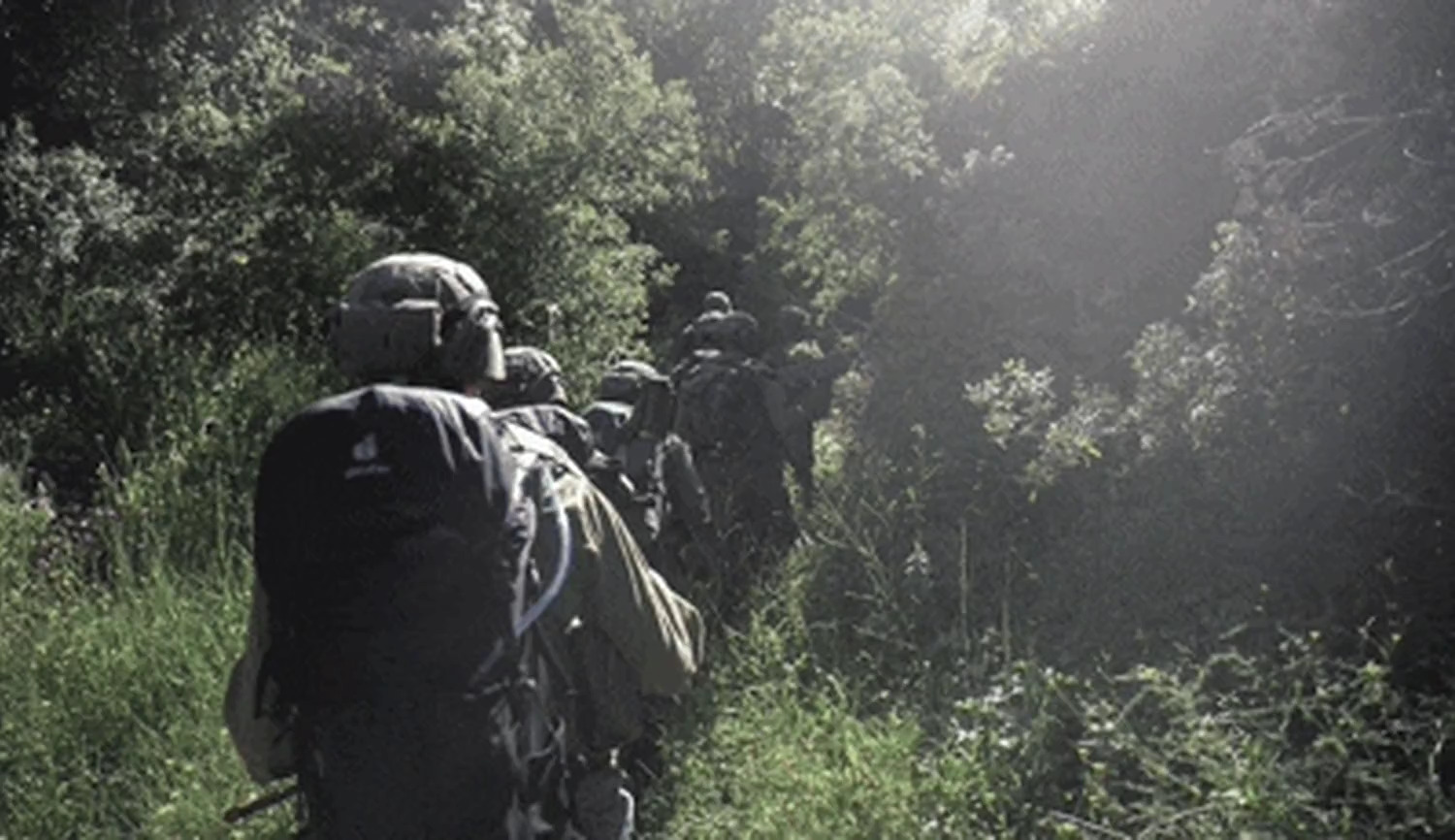
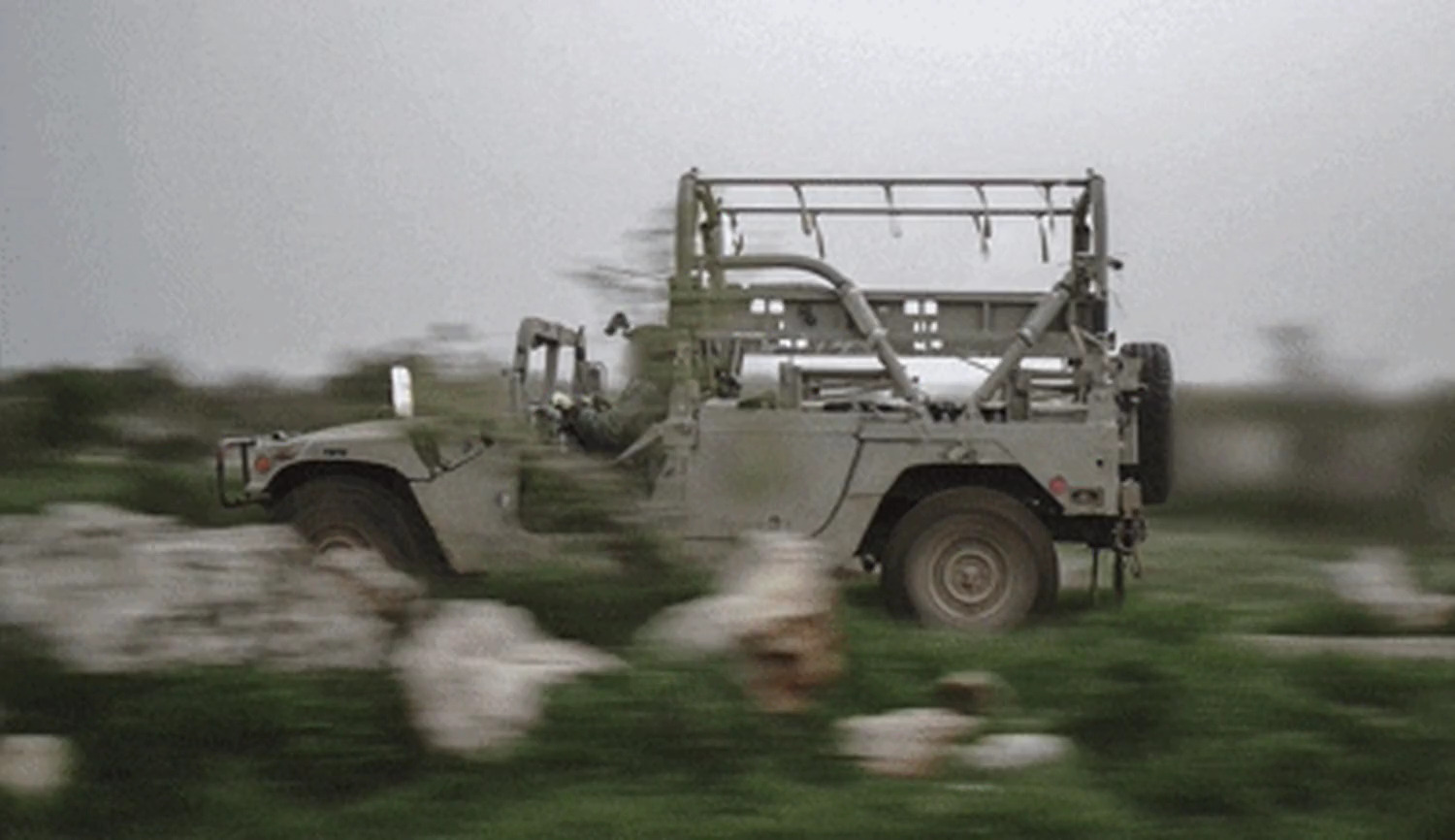
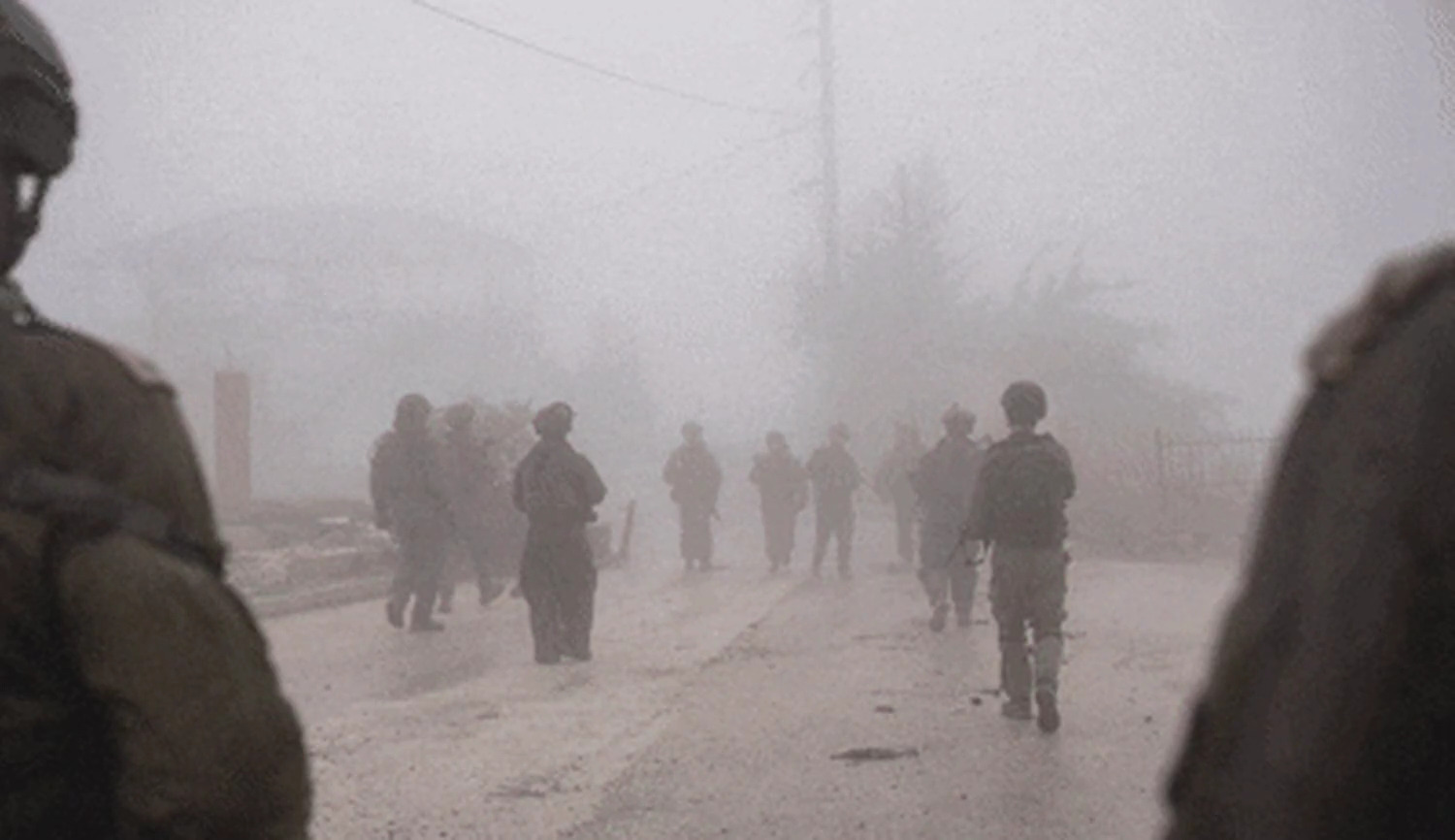
All the names are pseudonyms, and the soldiers in southern Lebanon in the photos, provided by the IDF Spokesperson’s Unit, are not mentioned in this article.
“The method was fixed. Every evening, after the sun set, the logistics unit’s convoy would enter. Their mission was to bring us supplies: food, oil, ammunition; whatever was needed.
“But there was also an unofficial mission: to take out the loot, to unload the spoils at the outpost where the headquarters was, so it would be waiting for the soldiers when they went home.
“The soldiers in the convoy, of course, weren’t suckers; they would take valuable items themselves. ‘Just choose what you want,’ they’d be told. And there was no shortage of things to loot.
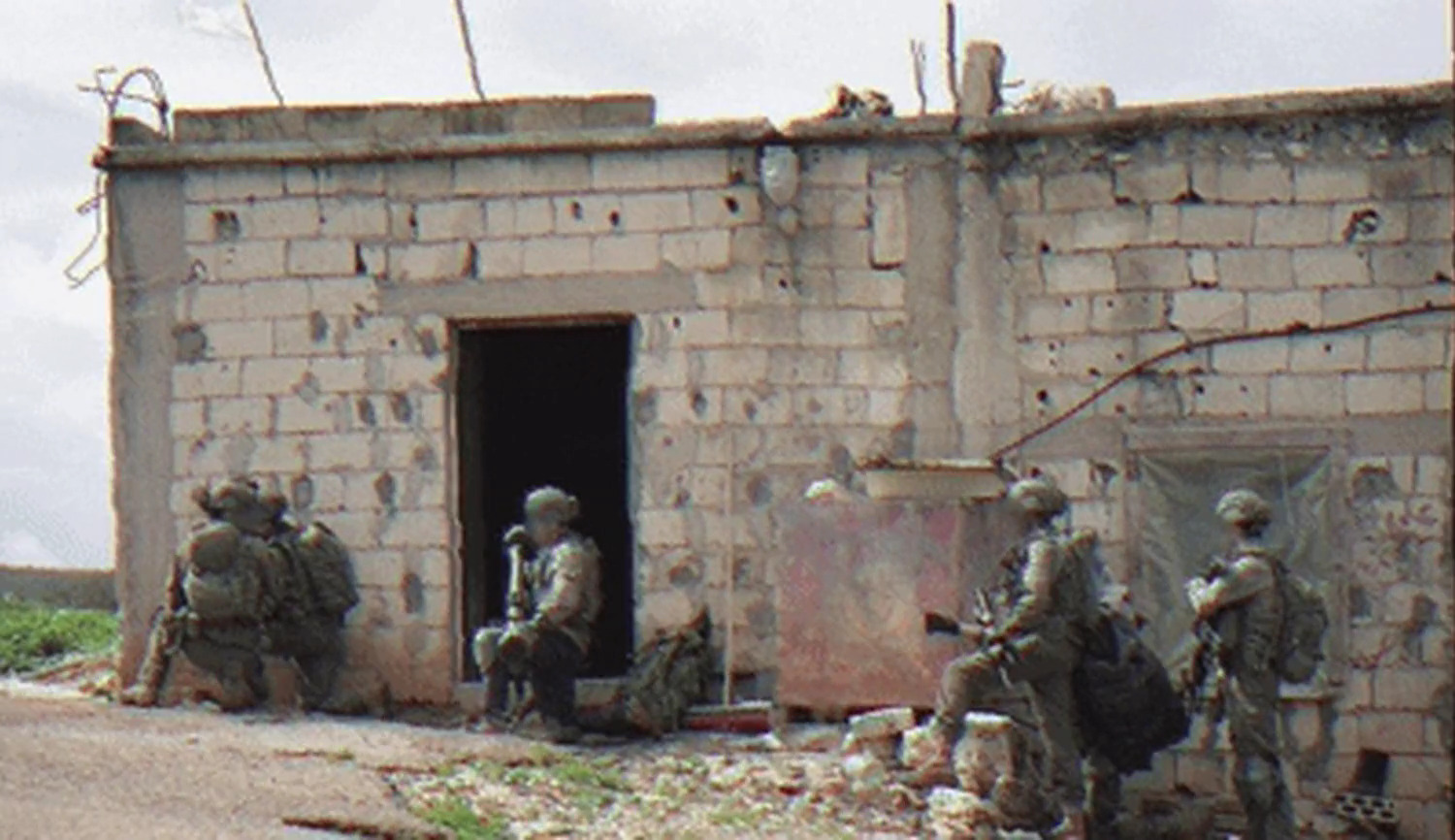
“The village we were operating in belonged to wealthy people, full of villas with pools, luxury cars, jewelry. Almost every house had valuables. We would go into houses with ‘wet fire’ – meaning shooting everywhere. … Once we realized that the area was clear, the real mission would begin – to find valuable stuff.
“It started with small things and gradually escalated. People loaded carpets, motorcycles, armchairs, stoves onto the Humvees. Entire warehouses. You could hear soldiers over 30 arguing – ‘I saw it first,’ ‘You already took a lot from the other house.’
“But the highlight wasn’t the houses, it was the shops. Soldiers would go in and take out all the goods, entire boxes of candy, cigarettes, cleaning supplies, even stationery. Somebody took a school bag for his son. Another took a lathe.
“Even the hand soap at the outpost came from Lebanon. At any given time, you could see soldiers walking around the village with civilians’ stuff on them; it felt like the main mission.
“Most senior commanders didn’t care. Soldiers looted even when a brigade commander visited; he turned a blind eye. He pretended not to see.
“One time the battalion commander got on the radio and said, ‘I remind you, we are in enemy territory, we must maintain operational readiness. If someone enters a store to take something, he must open with wet fire – ‘dirty ones’ [Hezbollah] might be hiding there.’
“This was the approach – no problem with looting, just don’t get hurt. The army didn’t really try to stop us; there was no Military Police presence at the border crossings at all.
“I have to admit that at first it didn’t bother me, but as the days went by it started to disgust me. I went there to ensure the security of the people in the north, not to steal. I tried to talk about it with people, to argue with them, but there was nobody to talk to.
“Some said it was a mitzvah, giving it religious justification. Others said that everything was being destroyed anyway, so there was no reason to leave valuables there.
“When I spoke to one of the officers about it, he sighed and said it bothered him too, ‘but there’s a shortage of soldiers, and it’s hard to make demands or complain to people doing 400 days of reserve duty.’ The feeling is that the IDF has become like an army of Vikings – they let soldiers loot so they’ll be happy and keep fighting.”
“After it exploded in the media, we had a talk. The company commander demanded that ‘everything that happened here stays here.’ A few hours later, he went into the stores and smashed everything so the soldiers would have nothing to loot.
“Everybody played innocent, acting as if nothing had happened, as if they weren’t going home every time with a trunk full of looted stuff. At the outpost there were even couches that we took from Lebanon. The evidence was everywhere, but everybody got away with it.”
“I remember the moment I realized I couldn’t take it anymore. It happened in the house we slept in at Bint Jbeil at the end of March. The rain wouldn’t stop and there was no heating. The cold seeped in, mixing with the sweat on our uniforms.
“I couldn’t stop shaking. I tried to cover my face with my neck covering, but it didn’t really help. I remember I started to cry, but quietly; I tried to make sure nobody heard. I was exhausted, I couldn’t move. I couldn’t fall asleep. Mice were everywhere, climbing on us. There wasn’t much we could do.”
“In the morning, I asked the platoon commander to stay in the house and not go out for operations, but he refused. He said, ‘Are you stupid? You can’t stay here, everybody is moving forward, stop being a crybaby.’ The other guys laughed. … I wasn’t trying to be difficult or to go home. I was in a crisis.”
“A few days later we were in a clash; several terrorists shot at us. My friends charged, shooting endlessly, but I froze. I felt like a zero, a loser. Every second felt like an eternity.
“While I was looking for cover behind a wall, one of my earplugs fell out. There was a lot of noise from the gunfire, and I started getting ringing in my ears. I felt like I was disconnecting, that I didn’t understand what was happening around me.
“One of my friends tried to talk to me, but I didn’t understand what he was saying. He grabbed my shirt and pushed me to a more protected spot, behind a building. At the end of the incident, I realized we had many wounded. Three guys were seriously hurt. I felt guilty.”
“We didn’t have time to process the event. They kept shooting at us – mortar shells, rockets, explosions all the time. Then the drones started, and that scared us even more. I couldn’t stop looking at the sky.
“When I got home, everything felt strange. After a few hours, I realized I no longer understood what it was like to walk around the world without the sound of explosions, without fear.
“My parents felt something was wrong. They kept asking if I needed anything, but I didn’t have the strength to open up to them. They’re afraid something will happen to me. They’re trying to convince me to leave combat duty, to move to a role at headquarters.
“‘If something happens to you, I don’t know what I’ll do to myself,’ my mother said. My younger sister told me she can’t stop crying when I’m not around. It affected me, it tugged at my heart.”
“When we returned, I asked to see a mental health officer, but they kept giving me the runaround. They said there was a problem with this now, that I needed to wait. I felt like everything was closing in on me, that I couldn’t stay. I started to hate everybody, I felt lonely.
“Eventually, they sent me to a meeting. He asked if I wanted to harm myself and said I needed to learn to breathe deeply. It felt very superficial, as if his only goal was to get me back to the fighting, not to treat or help. At the end of the meeting, he recommended that I stay away more night and then come back.
“‘It’s important to maintain functional continuity,’ he said. I tried to explain that I wasn’t functioning, that I couldn’t. He said we would meet again in two weeks and see if there was an improvement.’ I didn’t know what to do. I felt I needed to harm myself for somebody to take me seriously.”
Only after Haaretz contacted the IDF was Itai referred for intensive mental health treatment.
“A few hours before we entered Lebanon, the brigade commander came to talk to us. ‘This is a historic moment; we’re going to destroy Hezbollah. There will be fierce fighting, the terrorists are waiting for us, maybe some of you won’t come back. But finally, the residents of the north will be able to live in security, all thanks to you.’
“Everybody cheered; it felt like a pagan ceremony. … I had been in this movie before – before entering Gaza, before the previous operation in Lebanon, always the same promises, always the same disappointments.”
“This time it was the same. In the village we entered there were no terrorists; the houses were empty. There was no fighting there, only operations to flatten the houses.
“This is the IDF of the last two years – the Israel Defense Forces for destroying houses. The news will report on fierce battles and the destruction of terror infrastructure, but our mission was one thing – to leave no structure standing, to destroy everything.
“It used to be necessary to ‘incriminate’ a structure to destroy it, to find weapons in it, to prove the presence of terrorists. But today, they just destroy, even schools, clinics; the only thing we didn’t touch was the cemetery.”
“They almost stopped using explosives. The officers explained that it was too expensive, less efficient. Instead, they bring in contractors with military excavators. Some are paid daily, others by the number of houses they demolish. None of them are soldiers; they’re all civilians. It seems none of them were even in the army. They were all either extremist settlers or Bedouin and Druze.
“When I asked one of the contractors how that could be, he answered that they were the only ones willing to do it. And us? Our role was to protect them.
“Every day, each company was assigned a new compound in the village. It felt like we were in a race against time, trying to demolish as much as possible. Every evening the officers had to report how many houses each company had demolished. They called it ‘achievement assessment.’
“One time we got orders to stop the demolitions at 2 in the afternoon, but the contractor refused. He said, ‘They promised me we’d work until evening. I’m not leaving here without demolishing more houses.’ The commanders had to go all the way up to the division commander to convince him to stop.
“For many of the religious guys with me, this was a supreme mission. The battalion commander was the worst extremist. He refused to go home; the smile never left his face. He was euphoric, like a die-hard fan whose team wins the championship after a 20-year drought.
“He would say, ‘The way it once was will never be again. What we destroy will never rise again.’ When somebody talked about going back to Israel, he’d correct them: ‘This is Israel, too.’
“It mostly disgusted me. We’d go into people’s homes and some were still full of belongings, remnants of lives, as if people had fled without having time to pack. There were pictures on the walls, clothes in the rooms, furniture. It tugged at my heart. I felt uncomfortable, like I was breaking into people’s homes, into their lives.
“Most of the people with me didn’t care. They’d go in and look for things to steal, to loot. Sometimes they wouldn’t even take valuables, just souvenirs – small cups, coffee pots. Others enjoyed the destruction, the vandalism. They’d take a hammer and smash things, or just open cabinets and shatter cups and plates. The only reason was revenge.
“After a few weeks I decided I’d had enough. I told the commanders that work was pressuring me to come back, threatening to fire me, but that was a lie. I just felt I had to get out of there.
“When I boarded the convoy for the last time on the way out, I looked at Lebanon and swore I’d never return. This was the last time.”
“It’s terrifying, and anybody who says anything different is lying. When there’s a clash with terrorists, you can charge or take cover. There’s also cover from the air force, and from armor. You can cope.
“But with drones, the feeling is that it’s just a matter of luck. Two drones have exploded near my platoon, though there were no casualties.
“The company commander gave us a talk and said this was because we had good operational discipline, but that was total BS. A few meters back and we’d be dead or end up at Ichilov [Hospital in Tel Aviv] without a leg. After one of the explosions I had ringing in my ears, and they wouldn’t even let me leave to see a doctor.
“We have to tell the truth: The main feeling out there is helplessness. They tell us to follow instructions, wear protective gear, keep our helmets on, but the officers have no real solutions. They tell us to post ‘sky watchers’ – soldiers standing like idiots on a hill looking up to see if something’s coming.
“That’s the solution of an army with hundreds of fighter jets and a massive budget? How can you stand there for hours and maintain maximum concentration? It’s just not human. The feeling is that nobody really cares about us.
“After a few weeks they brought us a system that doesn’t really work, and even with the dagger [a smart electro-optical sight] they don’t always hit something. They tell us that all kinds of experimenting is going on and ask us to spread nets around, but you can’t spread them over the whole area. One of the religious guys reads a chapter of Psalms every day. That’s what we’re left with – praying.
“We’re stationary targets out there, and Hezbollah realizes that. They exploit the situation. Then on the news they say ‘cease-fire, cease-fire’ – what are you talking about? Do you know how many drones they send at us? This crap never ends. Is this what a cease-fire looks like?
“Politicians talk and stall for time, while we’re out there with our hands tied behind our backs. If, God forbid, something happens to me, will anybody apologize to my parents? No. They’ll just play some sad song on the radio and read my name on the news.
“When we talked to the officers about it, they said it’s better that we get wounded, not civilians in the north. I guess they’re right, but still, it’s scary and mostly frustrating, because it doesn’t seem like enough is being done to protect us.
“At least three friends in my platoon have written wills. I wrote a farewell letter to my parents and left it in my bag at the outpost. One night we talked about what we’d say at each other’s funerals if one of us died. It was kind of joking, but also a little serious.
“The most broken soldier among us, somebody who complains every time he has to do something, asked: ‘Say I loved the country. Say I was a total badass, that I always volunteered so my dad would be proud.’
“I said I’d prefer a quiet funeral, that only my parents should speak, maybe my brother. But that’s it. None of the officers’ BS speeches. I hate that.”
“The message came a lot faster than I expected – half an hour, maybe less, after the sirens announcing the war sounded. ‘Guys, we’re being called up, get to the emergency depot.’
“[His partner] immediately asked, ‘What? What happened?’ She already understood. She could see it on my face. This was the fifth round.
“She stood in the doorway of our apartment and stretched her arms out to the sides, holding onto the doorframe. ‘You’re not going,’ she said. ‘What happened last time will happen again. It’s not fair. You’re not thinking about me.’
“For two years we’ve been trying to get pregnant. She says it’s because of the stress, because of the war, because of me. It’s hard to blame her. For more than a year now, I haven’t been who I used to be.
“The worst point was during the previous round in Lebanon. … A lot of events scarred me, but one changed me completely, left me emotionally amputated, as if somebody had ripped out my soul. Five people were killed there, reservists like me.
“We were called to help evacuate them. Death was in the air. Body parts, blood, exposed organs. After it was over, I felt something inside me had changed. It messed up my head. I went into a Lebanese house and destroyed everything. I wrecked the whole place.
“Since then I’ve had trouble eating. I smell blood; I feel like I can almost taste it, as if somebody’s dripping it onto my tongue. I almost stopped eating, shut down my business. Everything collapsed.
“Still, I decided to go – maybe because that’s exactly where I feel normal; with the sirens, with the explosions. Every time I crossed the border I felt alive again.
“I volunteered to stay there. Even when it rained, even when everybody else was suffering. I preferred sleeping on the floor in half-destroyed houses over returning to our apartment. I felt that there, over the border, it was somehow okay to be crazy.
“So many times we were close to death. Mortar shells landed near us, rockets exploded. But there were no fatalities. For almost two months I served without seeing death.
“But one explosive drone changed everything. It hit a bulldozer and burned to death the Bedouin civilian who came to repair it. We were rushed to the scene, but there was nothing to save. He died instantly. His son was next to him. He was in shock. He kept shouting ‘Father, father, father’ in Arabic without stopping, as if possessed. His gaze was empty.
“Two weeks later we were released, but his words stayed with me. More than 10 years have gone by since my father died, and I still haven’t recovered. Since then I can’t stop seeing him calling for his father, with that hollow stare. I thought about going to see him in Shefa-Amr [a city in the north], but I was ashamed.
“What could I say to him? I can’t even take care of myself; I refuse to ask for help. It’s always been like that – hard for me to admit that things are hard; stupid masculine pride, ego. A week ago I decided to stop carrying a handgun and locked it in a safe. I was afraid that in a moment of weakness I might do something.
“But that’s not what really scares me. The real fear is that [his partner] will leave, that she’ll decide she’s had enough. It’s hard to blame her. She’s so beautiful, so smart – why would she need the burden of living with somebody damaged like me?
“I can’t even promise her that if they call me up again I won’t go. I don’t want to lie. She can’t understand. She says ‘it hurts you so much, why are you such a masochist? They’re exploiting you. The state is exploiting you.’
“I know she’s right, but I refuse to listen. I feel like a fish out of water. All I think about is finding a way to go back, to be there again, in Lebanon.
“Sometimes I go into online groups of units looking for volunteers and think about volunteering. I go onto websites and look at pictures from southern Lebanon, videos. People will probably read this and think I’m crazy, insane. They’re probably right.”
Tom Levinson reports on military matters for Haaretz
RELATED:
- IDF whistleblower testimonies appear to confirm claims of Israeli war crimes in Gaza
- Israel to Bari Weiss: ‘Thank You’ for whitewashing our war crimes
- With World Distracted by War, Extremist Settlers Intensify Attacks in West Bank
- ‘I Felt I Was a Monster’: IDF Soldiers Talk About the ‘Moral Injury’ – and the Silence
- Israel Said It’s Applying the Gaza Model in Lebanon. This Is What the Devastation Looks Like.