Reposted from IMEMC News, November 12, 2025
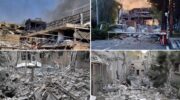
For nearly ten consecutive months, the Israeli occupation army has waged an unrelenting offensive against the city of Jenin and its refugee camp, in the occupied West Bank’s transforming a once-crowded urban center into a zone of devastation and forced displacement.
The offensive, in its 295th day on Tuesday (November 11), has escalated into a full-scale siege, with all four main entrances to the city sealed off by earth mounds and military roadblocks.
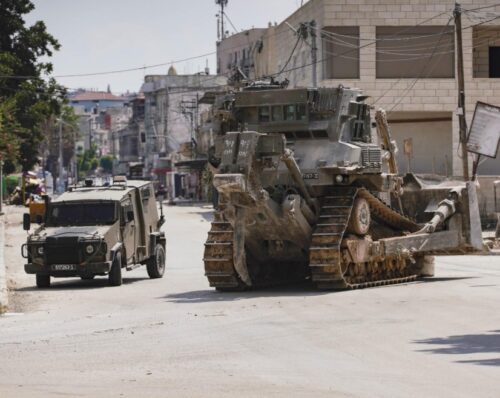
Drones hover overhead, broadcasting evacuation orders through loudspeakers, while armored vehicles patrol the streets, enforcing curfews and obstructing movement.
On November 11, Israeli forces stormed Nablus Street in Jenin city, obstructing traffic, interrogating drivers, and inspecting identity documents.
Simultaneously, troops invaded a home in the town of al-Yamun, west of Jenin, continuing a pattern of daily incursions and home invasions across the governorate.
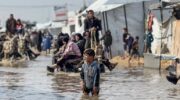
The humanitarian toll is staggering. Nearly 90 percent of the Jenin refugee camp’s population—over 22,000 people—has been displaced.
More than 600 homes have been completely demolished, amounting to the destruction of roughly one-third of the camp’s housing.
Bulldozers have carved through the refugee camp’s narrow alleys, tearing up roads and infrastructure, including those leading to Jenin Government Hospital.
The Jenin governmental hospital has been encircled, its access routes blocked, and its staff operating under siege conditions.
Medical teams report power outages, fuel shortages, and direct targeting of ambulances and rescue workers. In several incidents, civilians and medics attempting to reach the wounded were fired upon.
The Israeli military has turned homes into makeshift outposts, evicting families and using rooftops for sniper positions.
Daily invasions extend beyond the refugee camp into surrounding towns such as al-Yamun, Ya’bad, and Kafr Ra’i, where homes are stormed and residents subjected to interrogation and abduction.
In the past few weeks alone, dozens have been abducted, and at least 25 Palestinians have been killed in Jenin and neighboring areas. The total death toll since the beginning of the offensive stands at 56, with over 200 injured.
Roads are not merely blocked—they are erased. Homes are not just searched—they are leveled. The refugee camp, once a symbol of resilience, now lies in ruins, its residents scattered, its streets unrecognizable.
This onslaught is not an isolated episode but part of a broader escalation across the occupied West Bank. Simultaneous invasions have struck Nablus, Tulkarem, Ramallah, Hebron, and Qalqilia.
On Tuesday evening (November 11), a Palestinian child died of injuries he sustained four weeks ago when Israeli forces attacked olive pickers in the town of Beita, south of Nablus.
Media sources reported that the child, Aysam Jihad Ma’alla, 13, died on November 11, after spending a number of weeks in a coma.
Human rights groups warn that what is unfolding in Jenin is not merely a military offensive. It is a systematic erasure of a place and its people, carried out under the pretext of security but executed with a disregard for international law and human life.
The silence of the international community, in the face of such sustained brutality, deepens the wound. Jenin is not just under siege—it is being erased.
Since the beginning of the year, Israeli forces and colonizers have killed 236 Palestinian citizens in the occupied West Bank, including 46 children and 7 women.
Occupation forces and illegal paramilitary colonizers have killed 80 Palestinians in Jenin, 42 in Nablus, 30 in Tubas, 20 in Hebron, 19 in Ramallah, 17 in Tulkarem, 9 in Bethlehem, 9 in Jerusalem, 6 in Qalqilia, 3 in Salfit, and 1 in Jericho, in 2025.
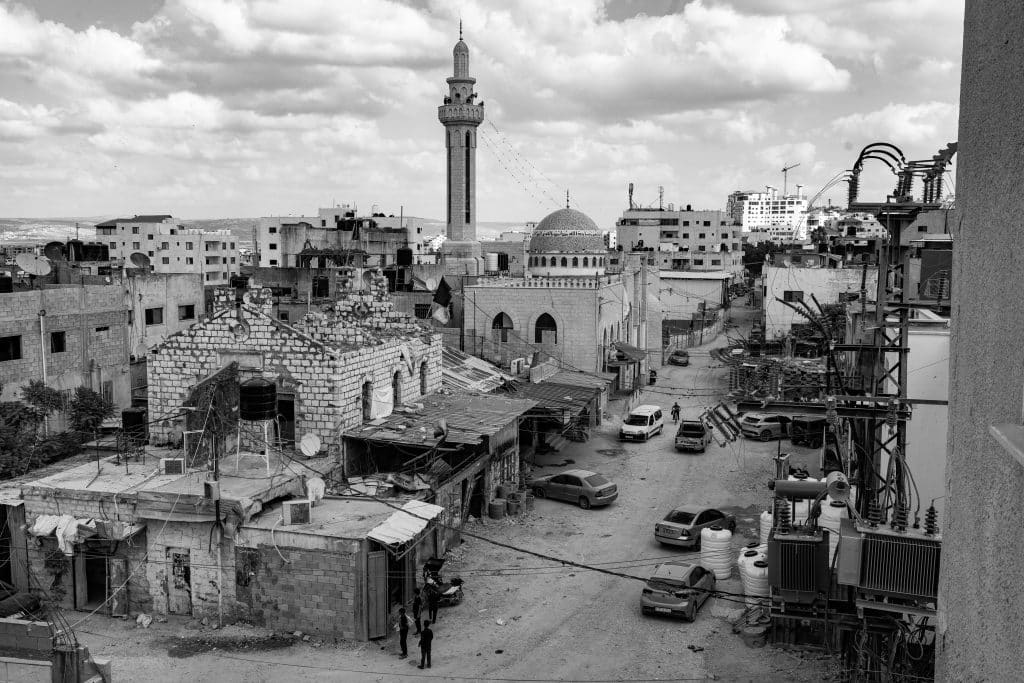
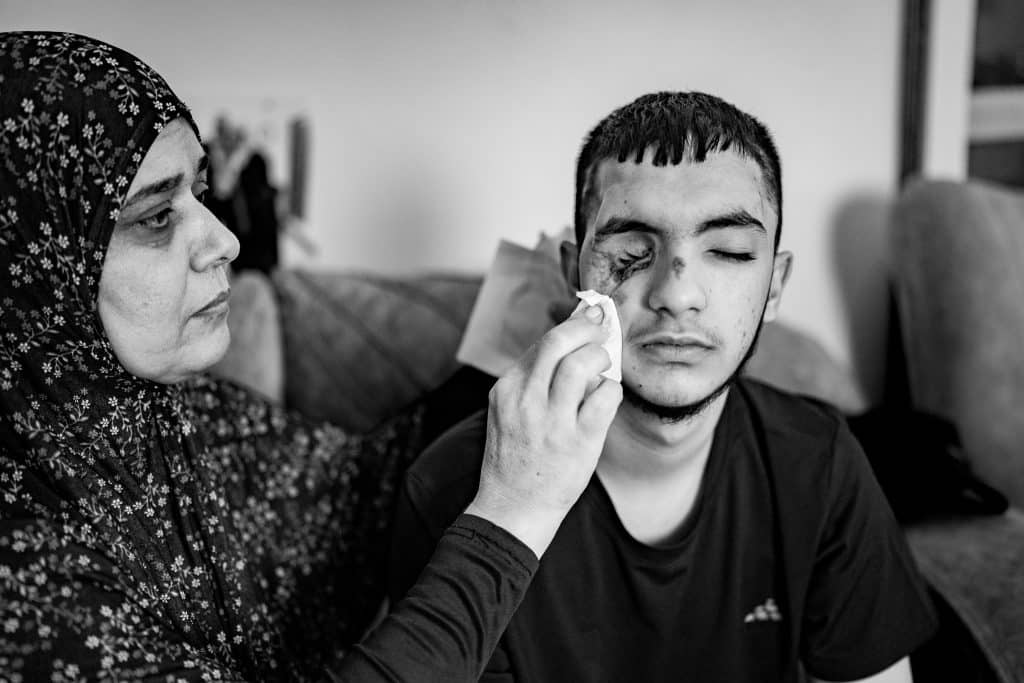
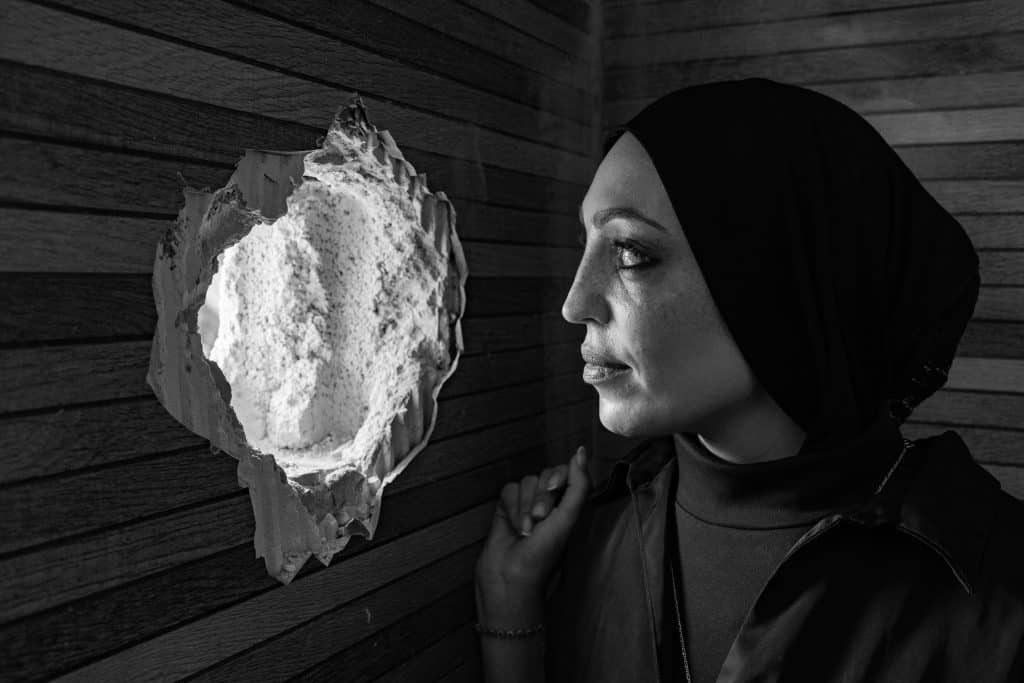
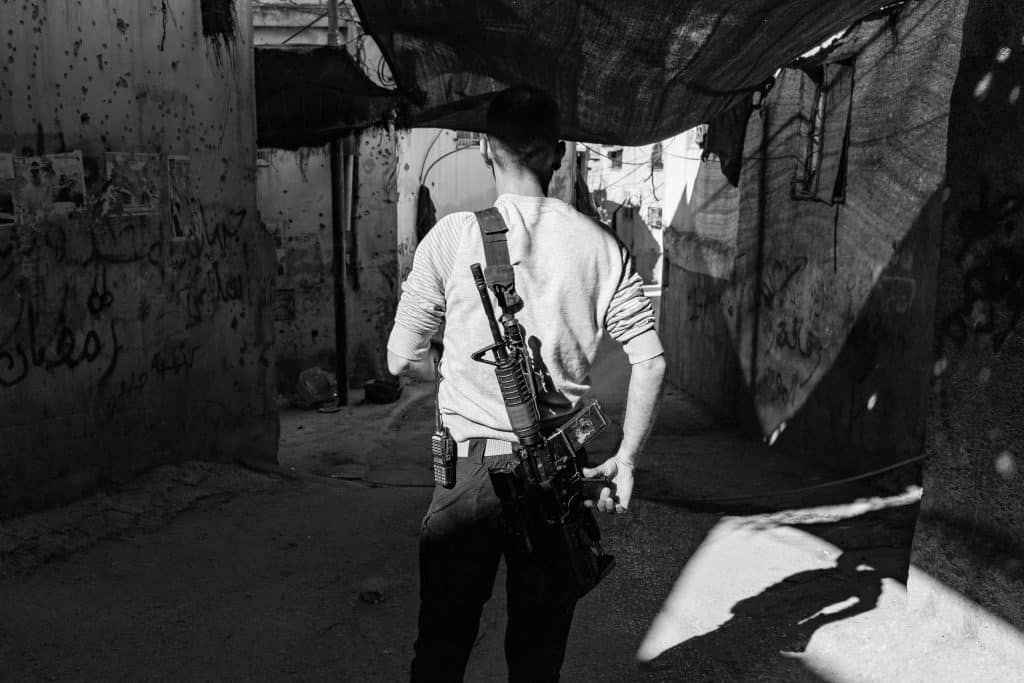
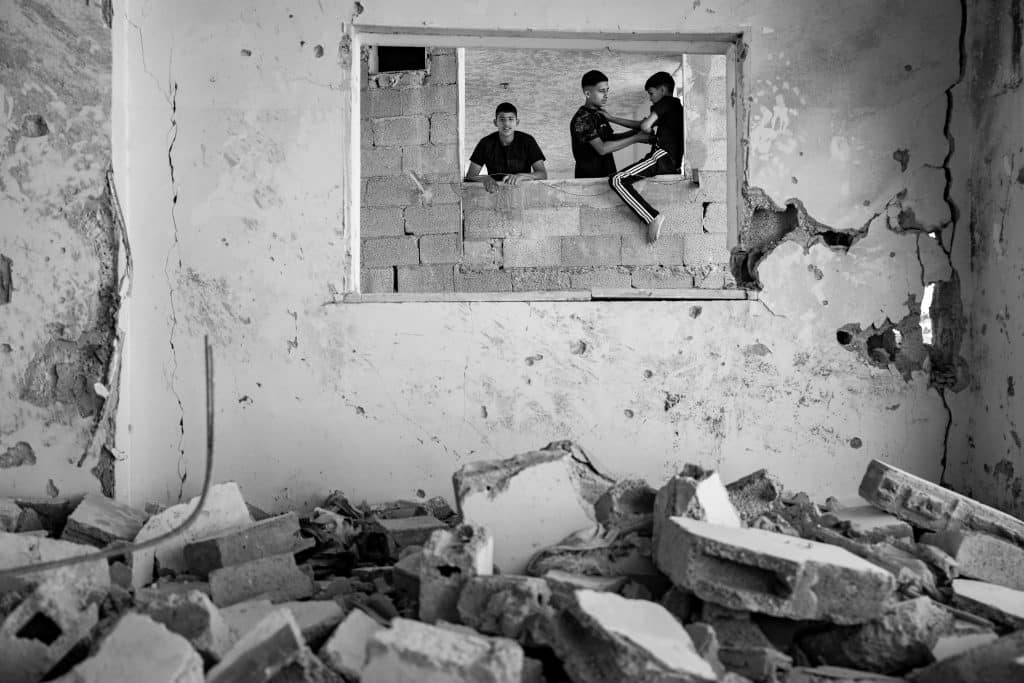
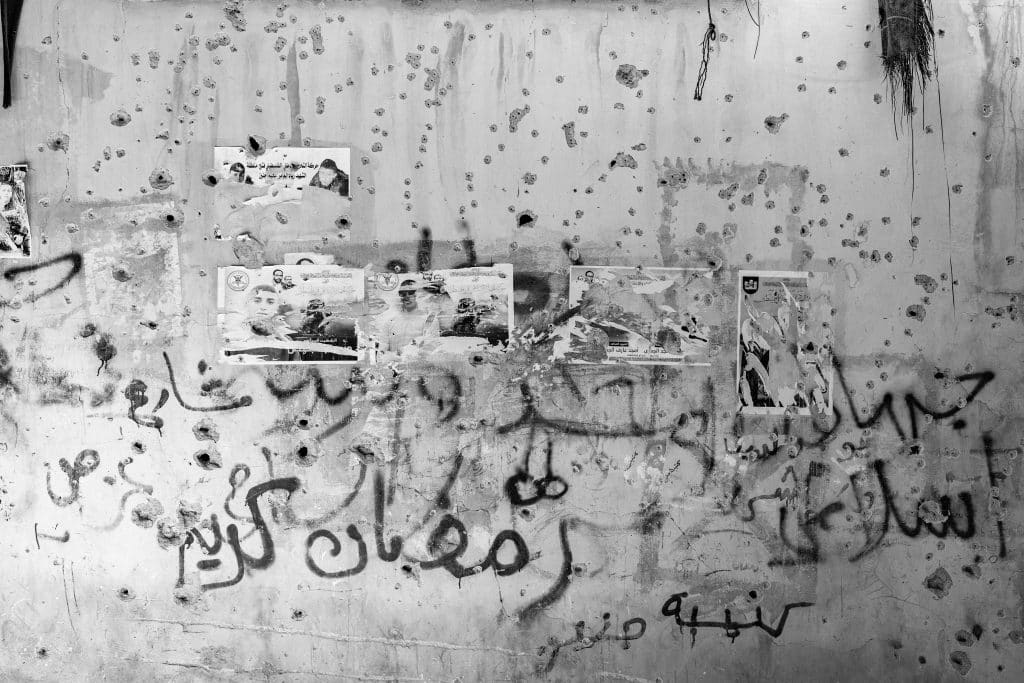
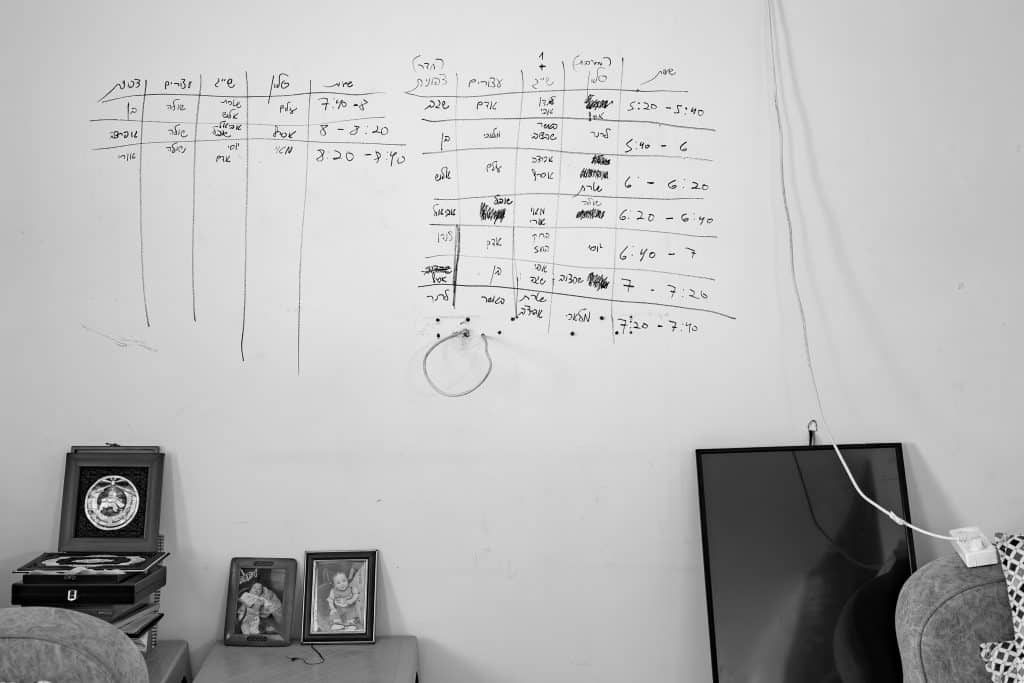
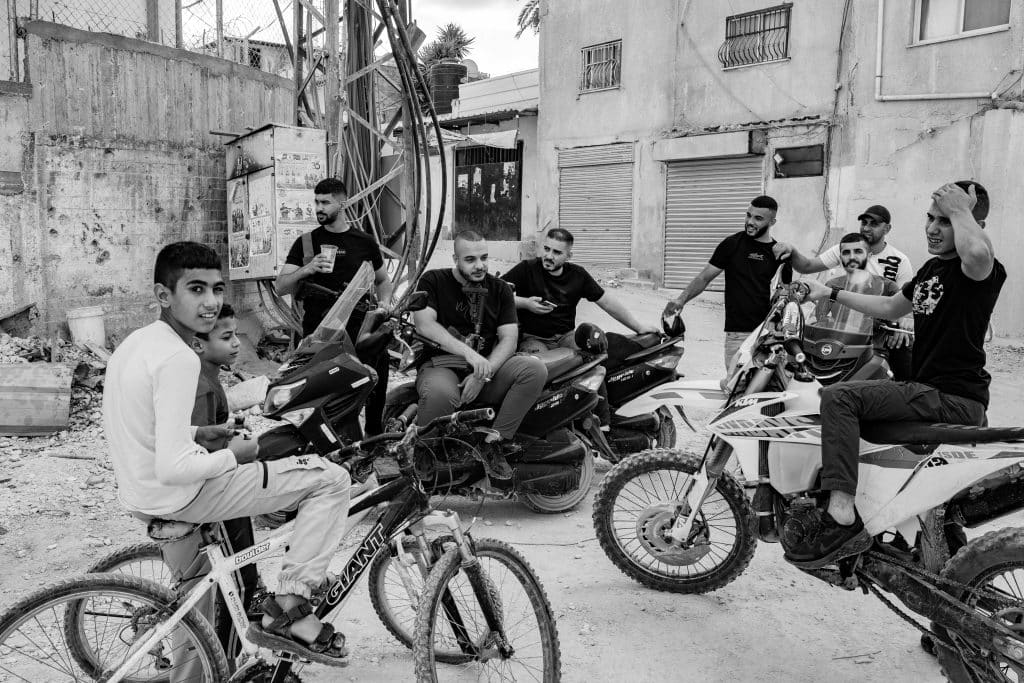
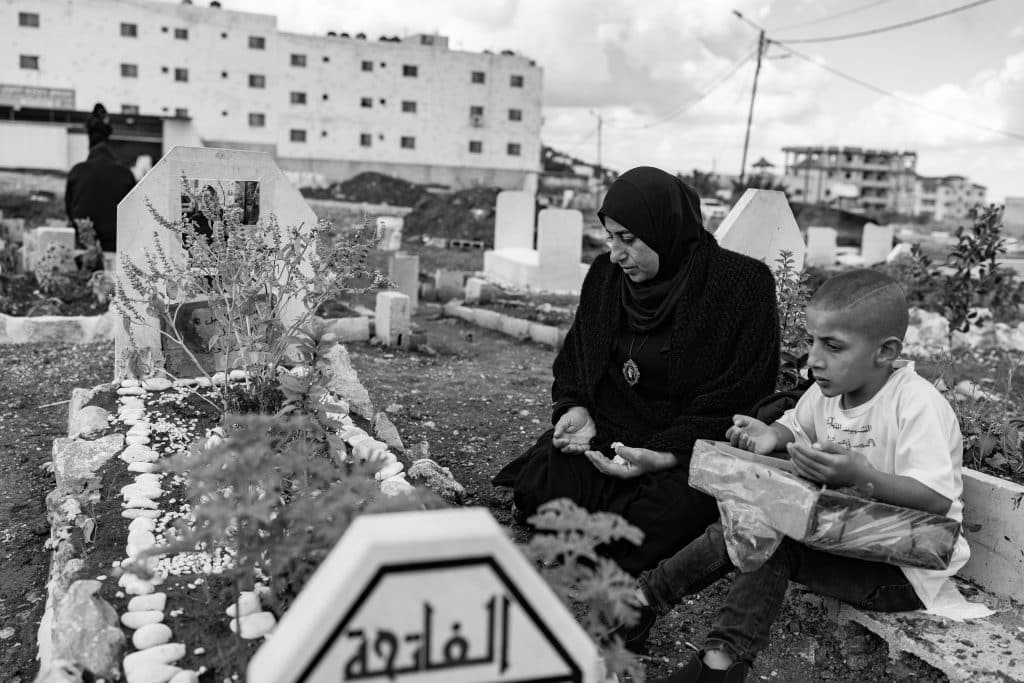
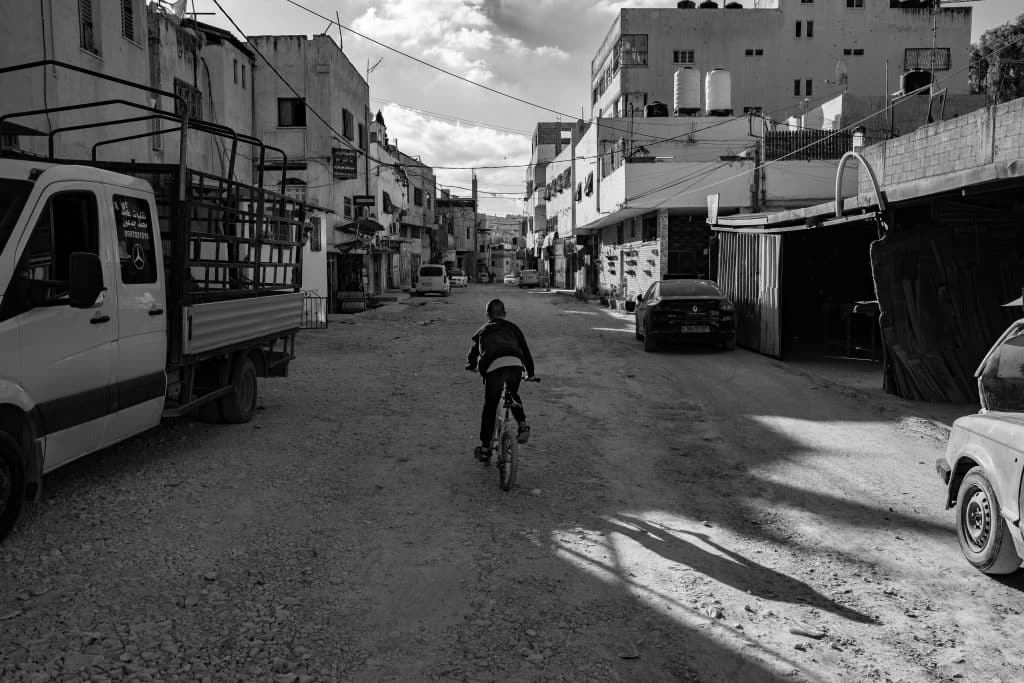
In photos: The ongoing Nakba of Jenin refugee camp
Jenin refugee camp was completely emptied of its residents during Israel’s ethnic cleansing operation earlier this year. These are photos of life in the camp before its most recent Nakba.
While the future of Gaza remains uncertain with a ceasefire on the verge of collapsing, the West Bank has been undergoing a radical and violent transformation over the last two years. According to the United Nations Office for the Coordination of Humanitarian Affairs (OCHA), over 1,000 Palestinians have been killed in the occupied territory since October 7, 2023. These deaths have been accompanied by record numbers of settler violence, demolitions, and military operations, a reality that has plunged the West Bank into crisis. Known for the strong presence of its armed fighters, the camp has been a historic symbol of resistance for Palestinians in the West Bank. But the refugee camp is currently completely occupied by the Israeli army, where mass demolitions are taking place.
In January, the Israeli army launched “Operation Iron Wall” in the Jenin refugee camp in order to combat Palestinian fighters in what the United Nations Relief and Works Agency (UNRWA) has described as “by far the longest and most destructive operation in the occupied West Bank since the second intifada in the 2000s.”
The military operation then expanded into Nur Shams and Tulkarem camps, among other cities. In a recent report titled “Five Months After Iron Wall” by Doctors Without Borders, project coordinator Simona Onidi describes the situation as “not just a humanitarian emergency,” but “a man-made crisis, prolonged by design.” The operation has resulted in the forcible displacement of over 42,000 people from their homes in the northern West Bank’s refugee camps, the greatest single period of mass expulsion the West Bank has seen since the 1967 War.



David Lombeida is an independent photographer and filmmaker currently based in Istanbul, documenting the effects of conflict, migration, and surviving trauma.
- Inside Israel’s brutal offensive on Jenin
- Israeli forces shoot dead 12-year-old Palestinian boy near Jenin
- Israel launches massive deadly attack on West Bank city of Jenin
- Israeli tear gas attack kills 13-year-old Palestinian boy in West Bank
- PCHR Documents Testimonies of Systematic Rape and Sexual Torture in Israeli Detention against Released Palestinian Detainees